June 18-21, 2026, a unique Christian conference took place in Kyzyl, the Tuva region capital. It brought together representatives of the nomadic peoples of Russia and Mongolia, marking the first large-scale gathering of its kind.

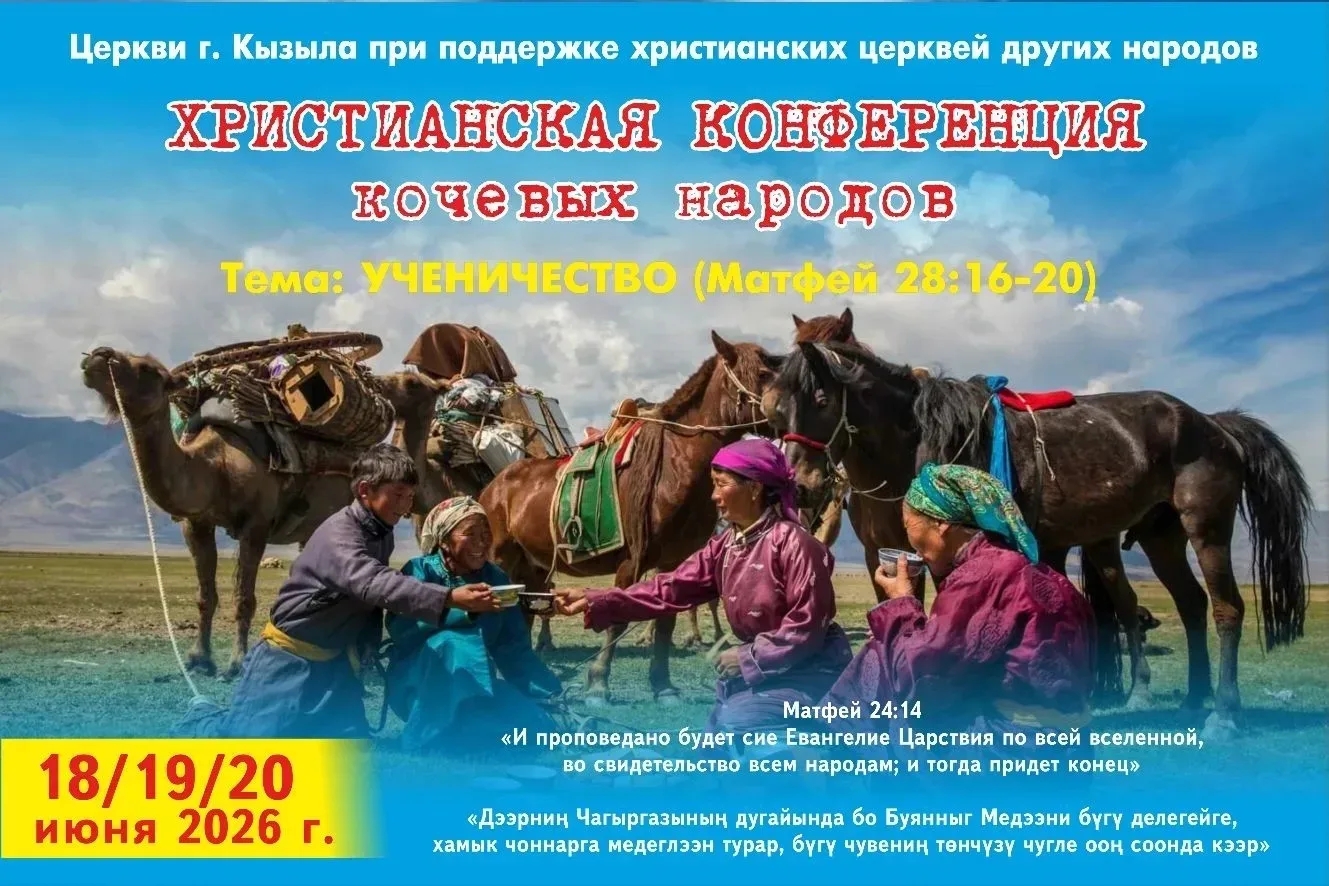
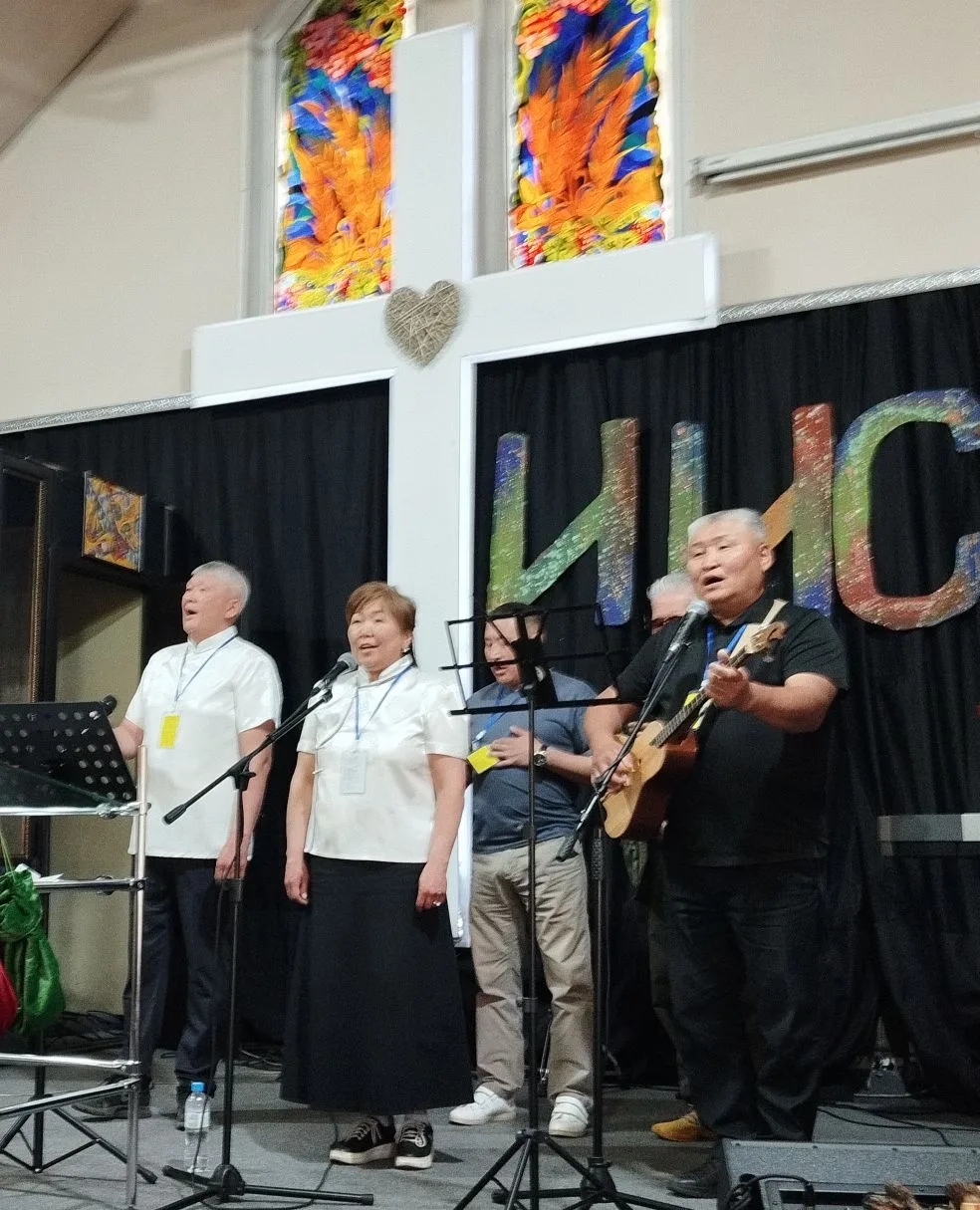


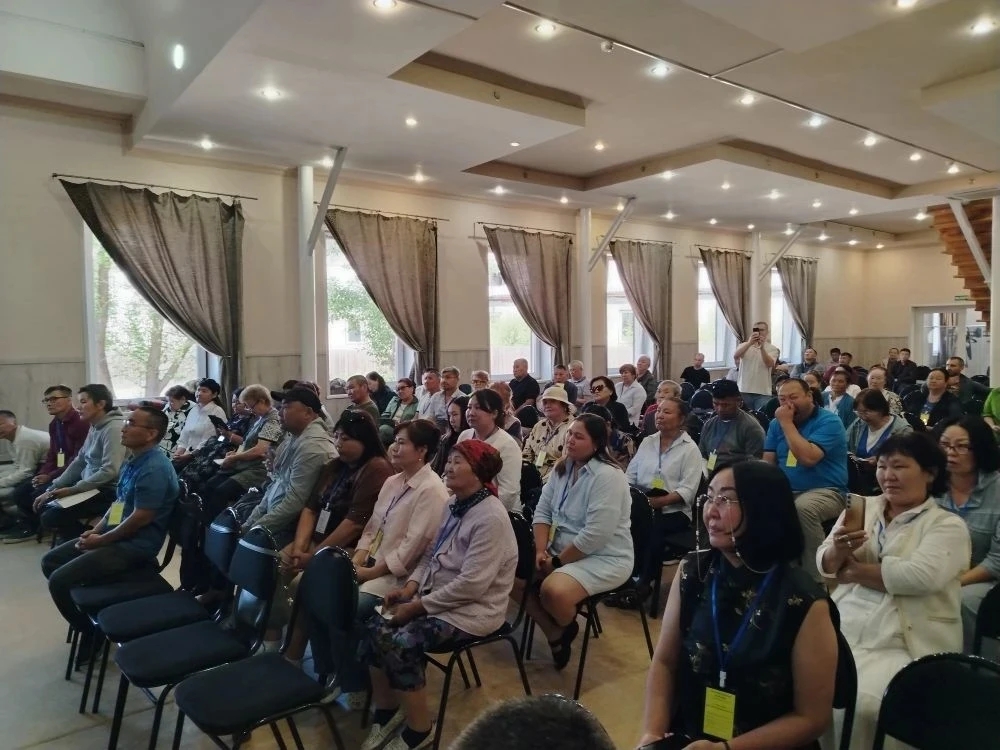

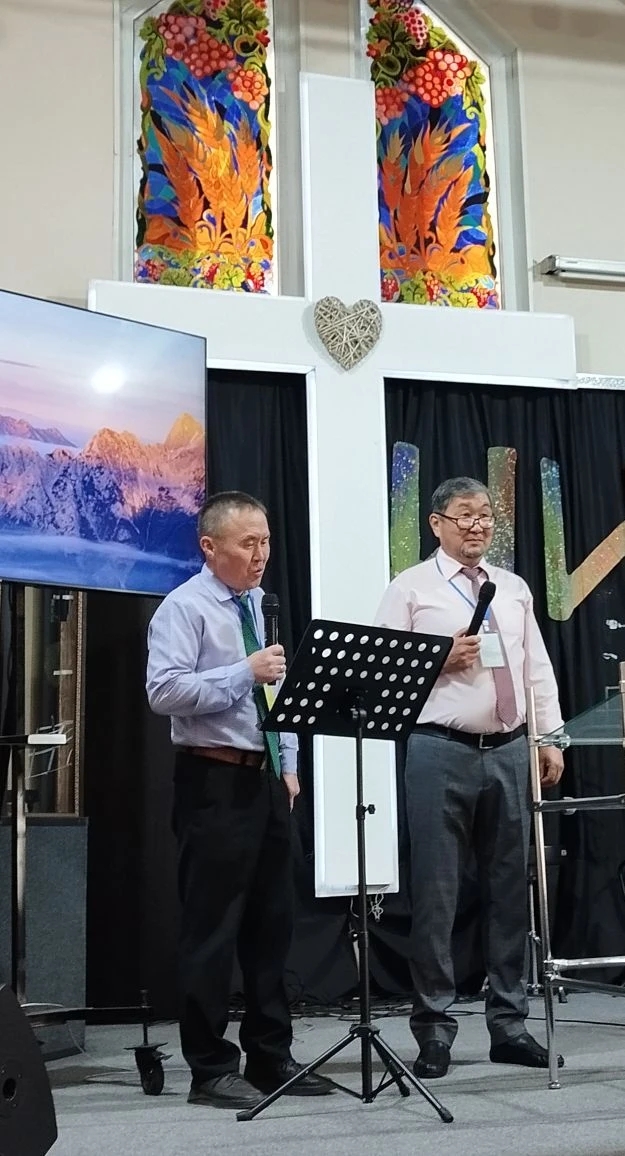


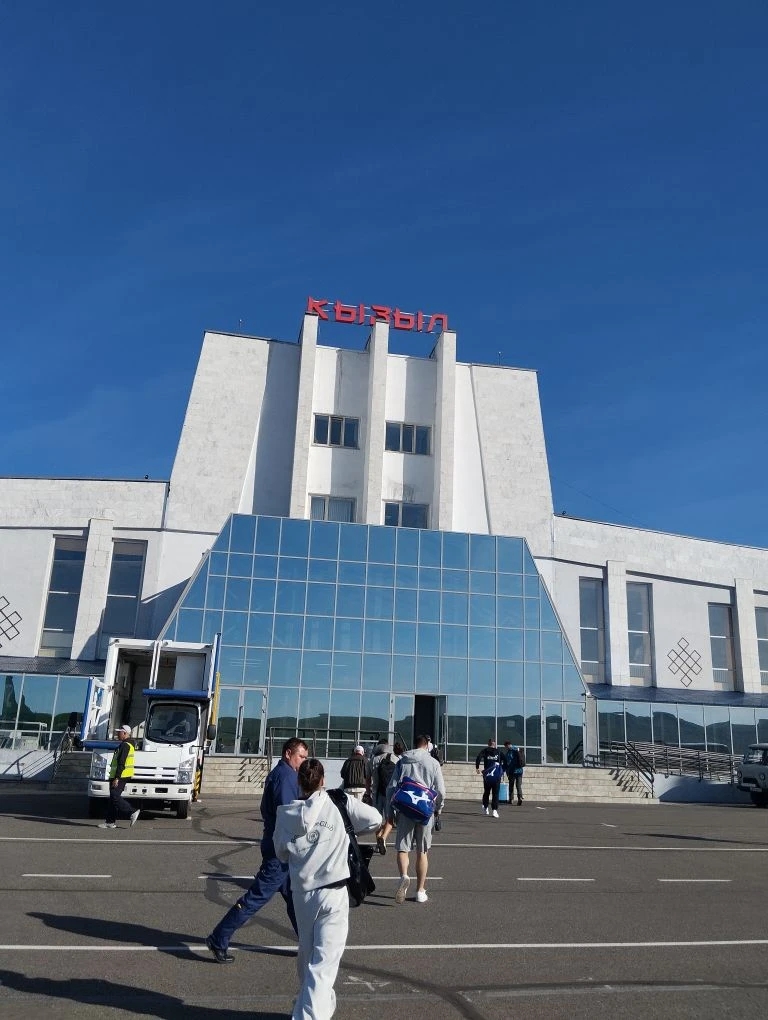
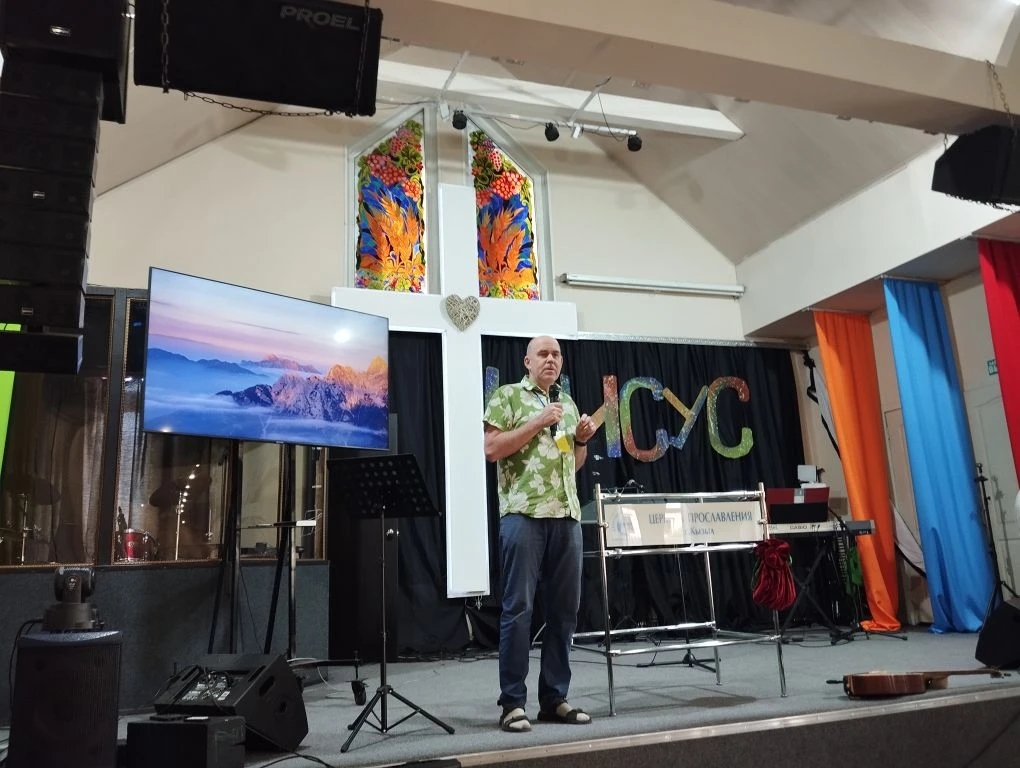
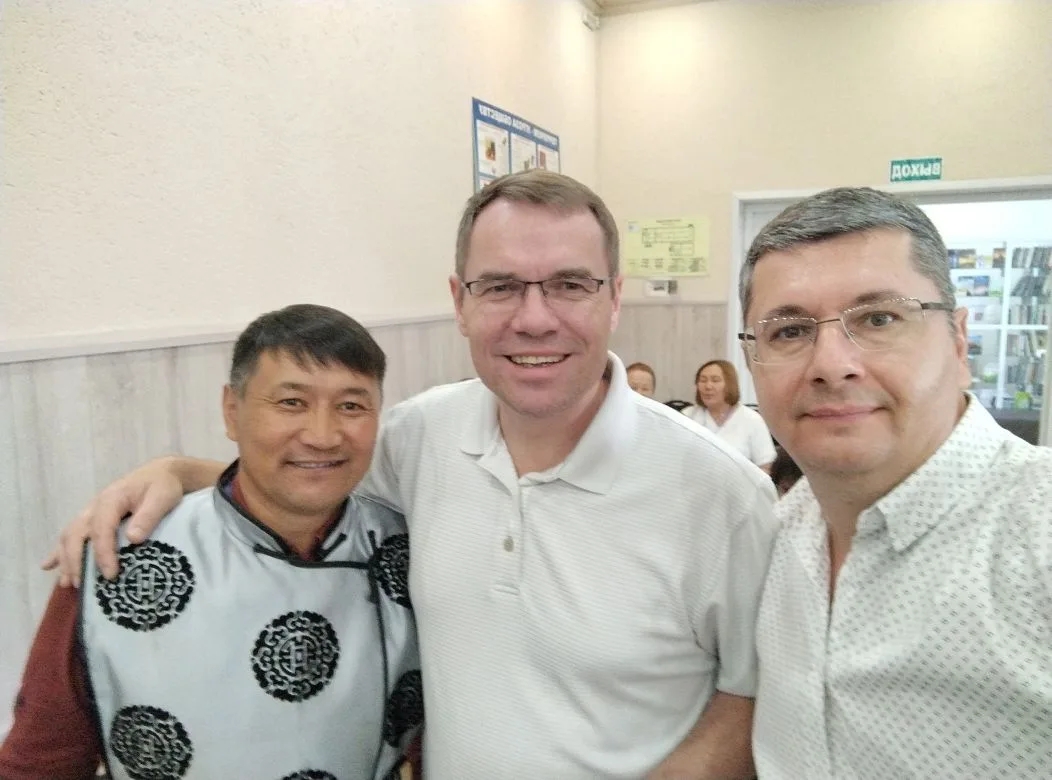
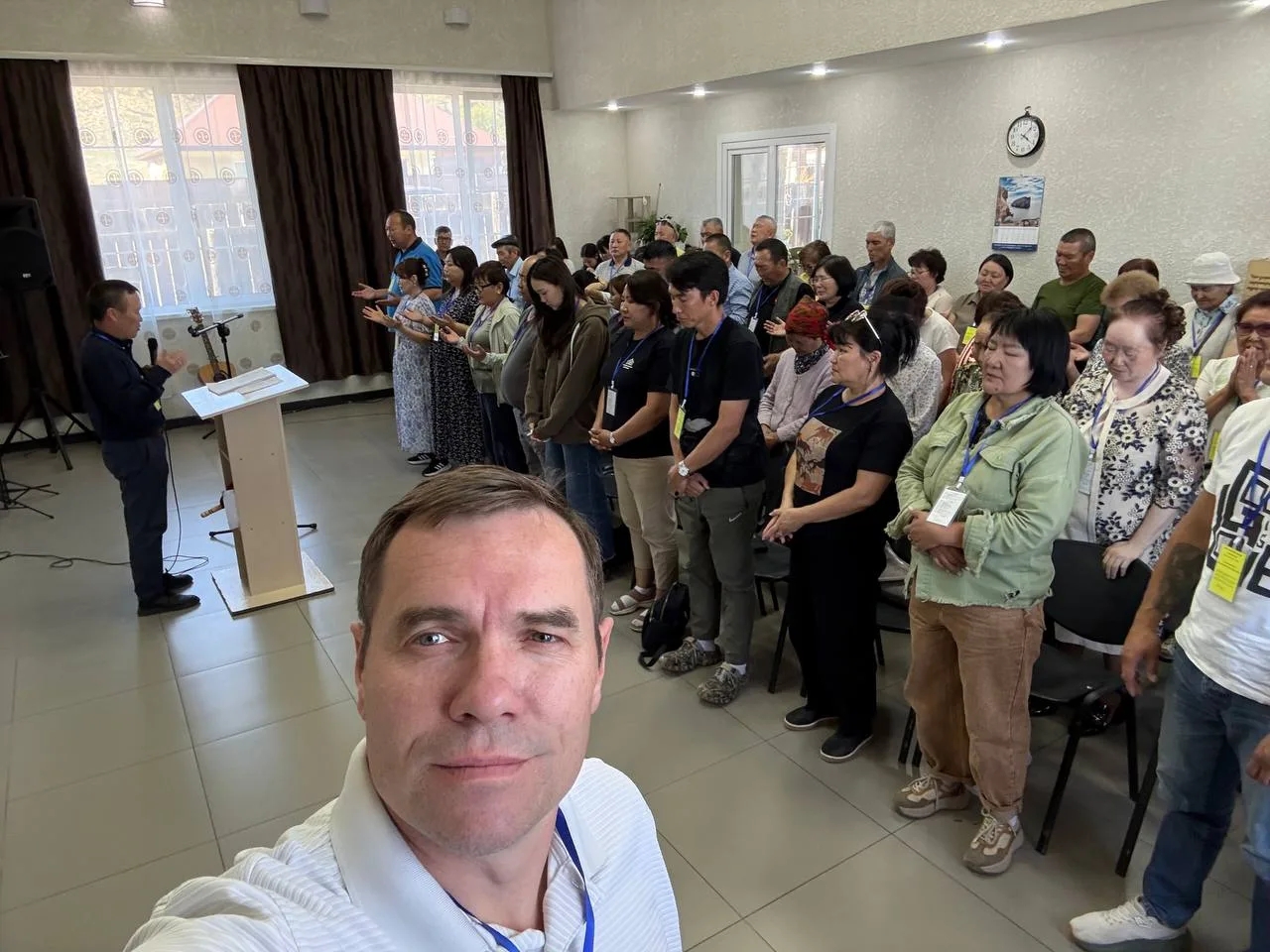
Over 180 believers—pastors and elders, deacons, missionaries, evangelists, youth and children’s leaders, and Bible translation workers—gathered in Kyzyl. Among them were representatives of various ethnic and cultural traditions: Altai, Buryat, Nanai, Tuvan, Khakas, Kalmyk, and Mongolian. Many traveled hundreds of kilometers across rivers, steppe trails, high deserts and mountain passes to meet, fellowship, strengthen unity, pray, and be re-established in their calling.
The main goal of the conference was not just a meeting, but the launch of a movement – spiritual, cultural and missional.
The key objectives included:
*Creating a unified support and ministry network for indigenous evangelical communities.
*Promotion of ethnocultural Christian education, including translation of the Bible and theological materials into the languages of small indigenous peoples.
*Strengthening and training ministers, especially youth, so that they can be “salt and light” in their nations.
*A deep understanding of the causes of alcoholism, family breakdown, language loss and spiritual vacuum in communities.
The conference program was built around three central themes that touched on both faith and everyday life:
1. Discipleship—the path to maturity. Participants discussed how to raise not just “church attendees,” but disciples of Jesus, capable of mentoring others. Models of mentoring adapted to nomadic lifestyles, seasonal migrations, and oral tradition were presented.
2. The Gospel in culture means communicating the truth in an understandable form. How can one preach Christ to a Tuvan shaman, an Altai herder, or a Nanai fisherman? The answer was found in the incarnational approach: the Gospel must “enter the culture” without destroying it, but transforming it from within. Examples were discussed:
— The use of folk music (adam’s kadyk, khoomei) in worship services.
— Adaptation of rituals (for example, thanksgiving to God for the harvest or deer).
— Creation of Christian folklore: fairy tales, parables, songs, films, plays in native languages, performance of songs on folk instruments.
3. Knowing the true God is the path to peace and order. Participants unanimously emphasized that only the restoration of a personal relationship with Jesus Christ can become the foundation for the healing of nations. The goal is to create a peaceful, just, sober, and pious society where family, work, honor, and care for nature are valued. It was emphasized that the Gospel is not a substitute for culture, but a source of its renewal.
Local churches—New Life, Praise, Avyral, Council Gospel, Covenant, River of Life, and Revelation of Jesus Christ—were actively involved. They provided invaluable assistance with accommodations, financial and organizational support, and also led tours of Kyzyl, introducing participants to the city’s achievements and culture.
Following the conference, important decisions were made:
*A Council for coordinating evangelical communities of indigenous peoples was created!
*The task was established to launch an educational platform for ministers!
*Plans to conduct missionary projects in hard-to-reach regions!
*Preparations for publication of new Christian worship songs in indigenous languages.
V. V. Akelkin, Regional Pastor for the Krasnoyarsk Territory and the Tuva Republic