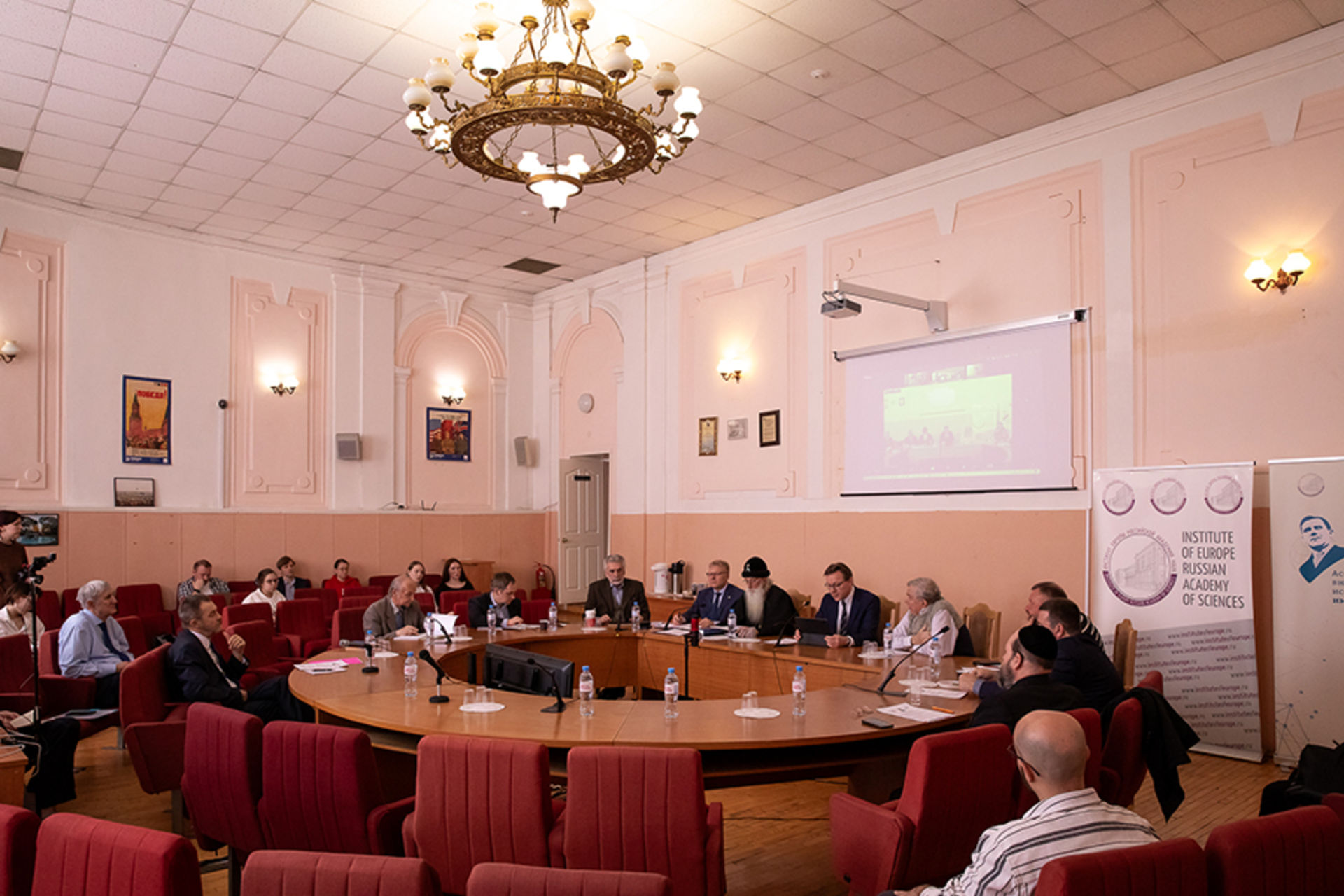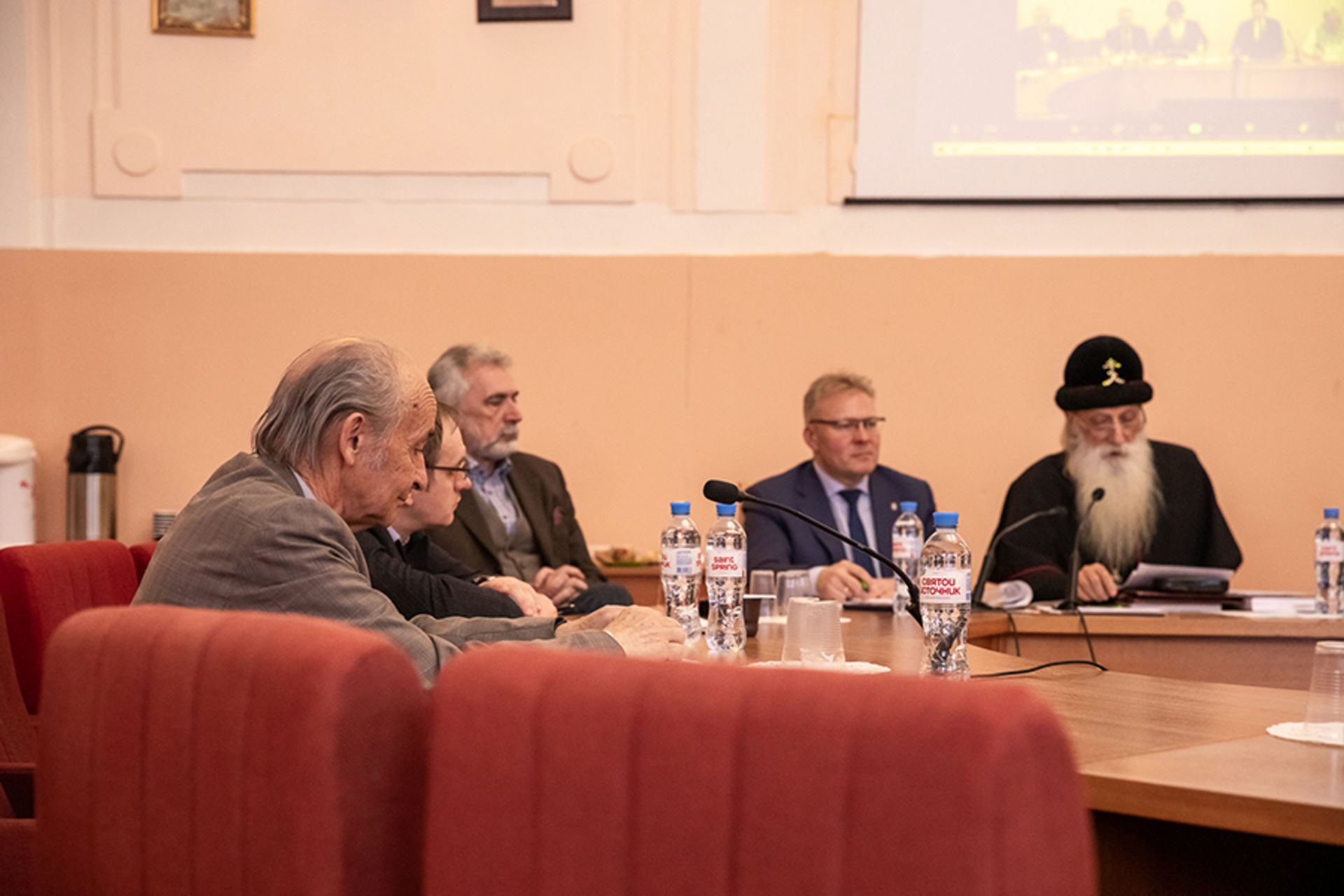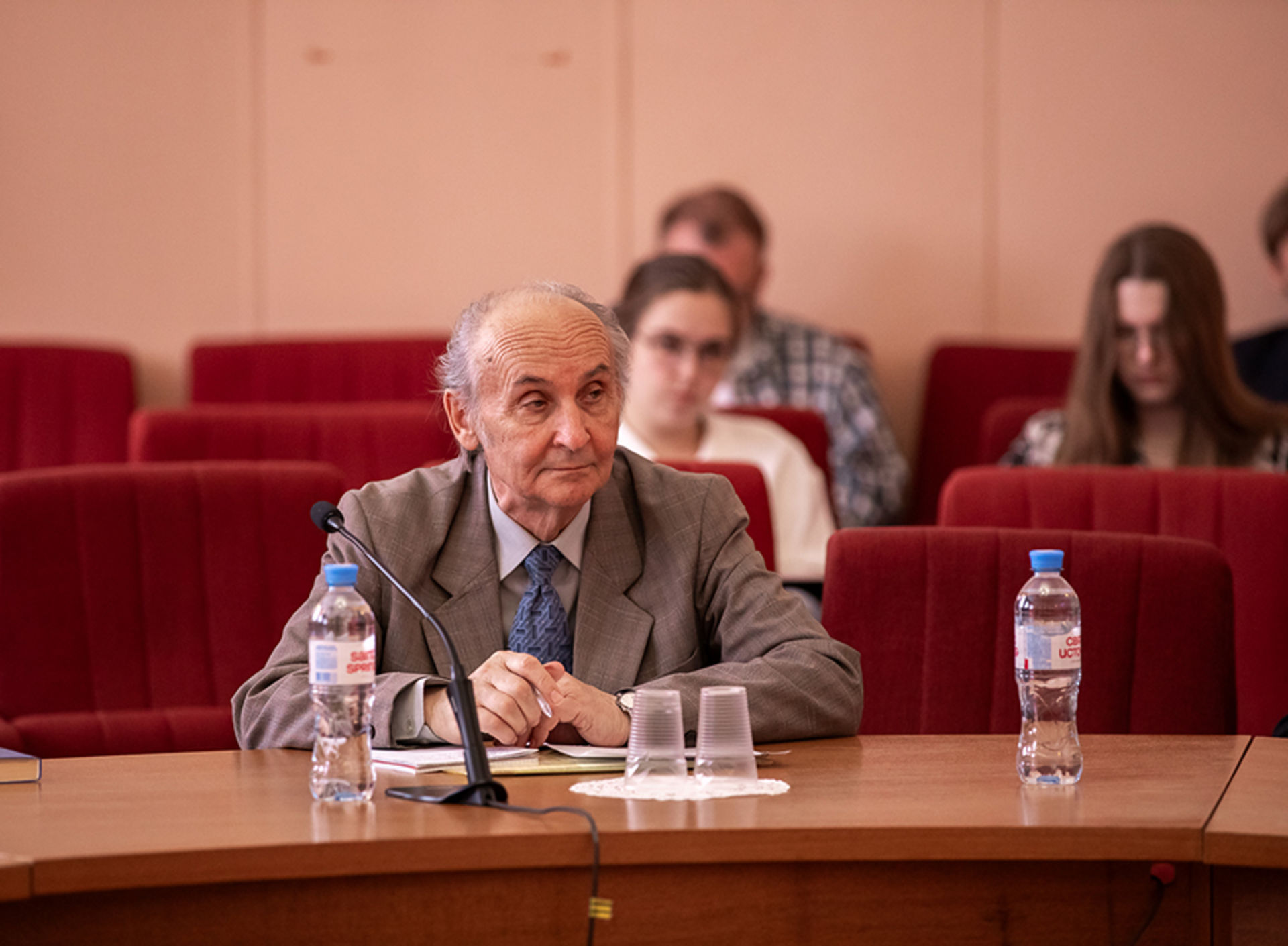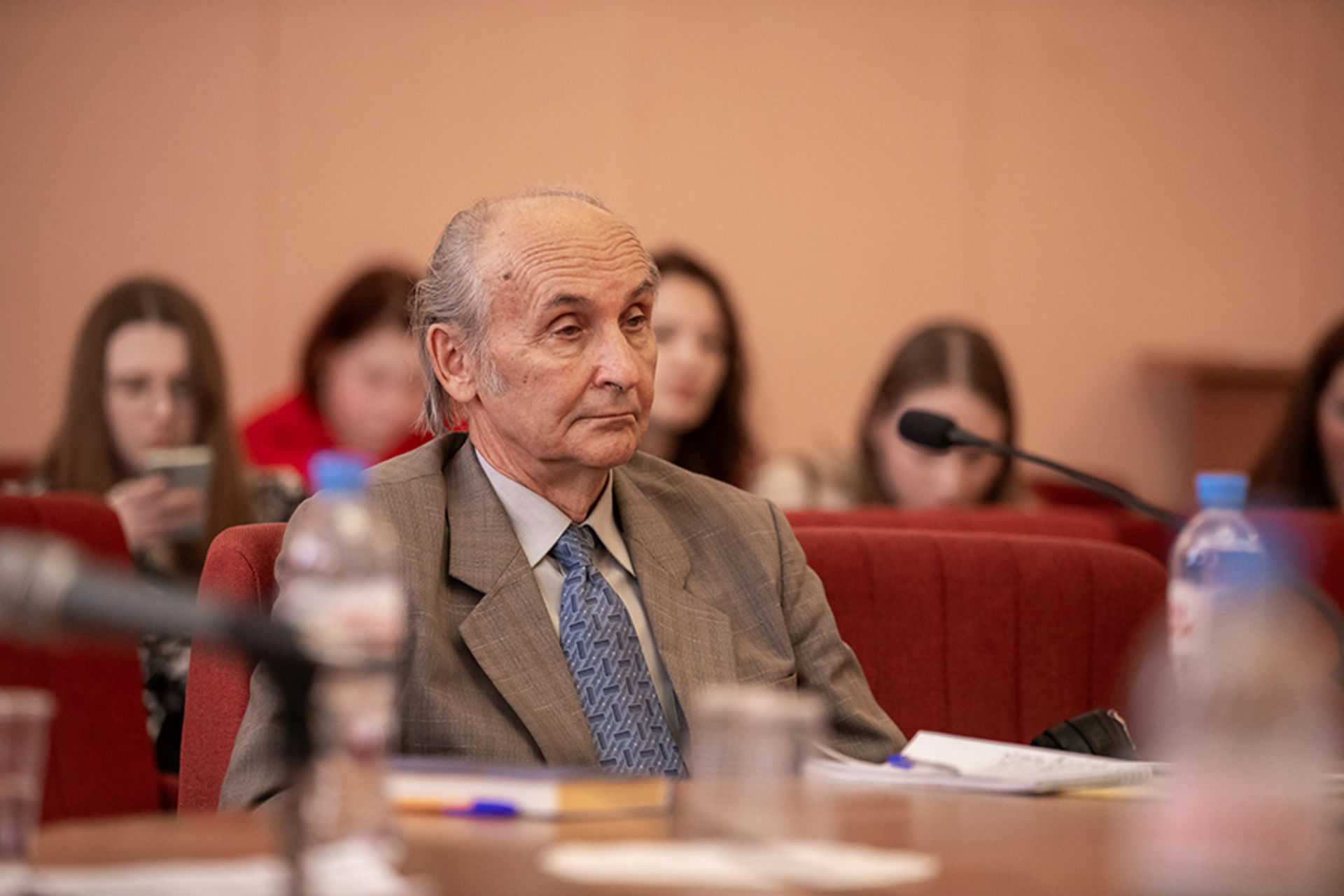
Metropolitan Korniliy of the Russian Orthodox Old Believer Church spoke about the history of Old Believers in Russia, highlighting the martyrdom of Boyarynya Morozova, who died for her faith 350 years ago. He noted that Old Believers, like evangelical Christians, faced severe persecution until 1905.
Oleg Goncharov, a Seventh-day Adventist leader, shared how Adventists opposed Nazism as a pagan and evil ideology during World War II. He emphasized their personal contributions to the war effort. Meanwhile, historian Vladimir Popov discussed the role of Evangelical Christians-Baptists (ECB), who endured both Stalinist repressions and the war. Despite persecution, their leaders called on believers to defend the Motherland when Germany invaded.
Many Baptists fought bravely—some became war heroes, like Dmitry Kiyashko and Ivan Shatalin. Others, like military doctors Grigory Nerubenko and Ivan Kopeyko, saved lives on the front lines. Baptist women also served as medics, drivers, and cooks. In the rear, ECB communities supported soldiers by sewing uniforms, fundraising for medical planes, and aiding war orphans.
During and after the war, Baptists built international ties, receiving humanitarian aid from Western believers and engaging in peace efforts. This "people’s diplomacy" became a lasting part of their mission. The conference also explored the Russian Orthodox Church’s postwar peace initiatives and the resistance movements of European Catholics and Protestants.
Prominent scholars, including Alexey Gromyko and Roman Lunkin, welcomed attendees, stressing the importance of discussing faith’s role in wartime. In closing, Lunkin reflected on how religious communities helped secure victory and why their historical struggles remain relevant today.
The event underscored how faith inspired resilience, sacrifice, and unity during one of history’s darkest periods—lessons that still resonate.