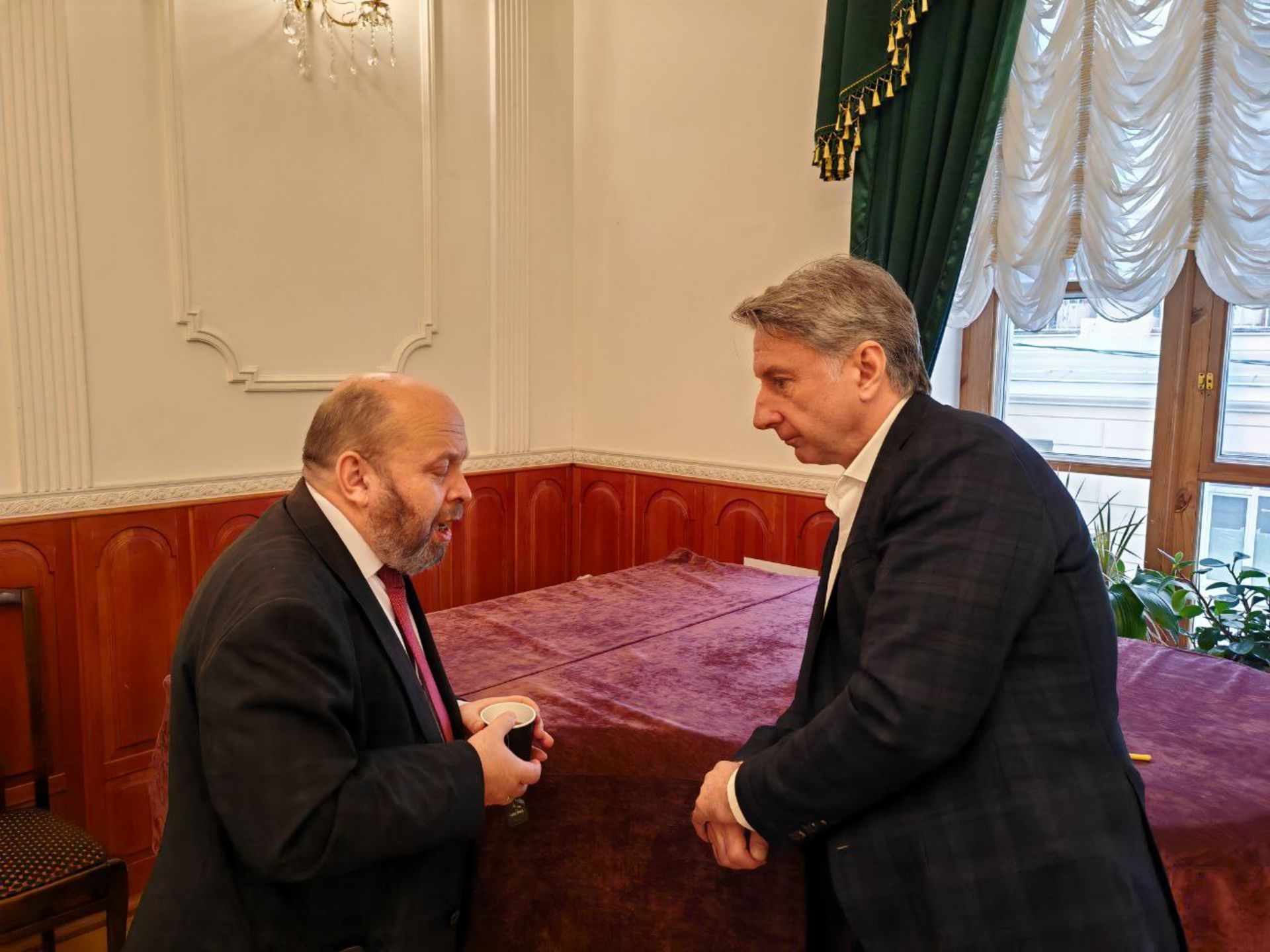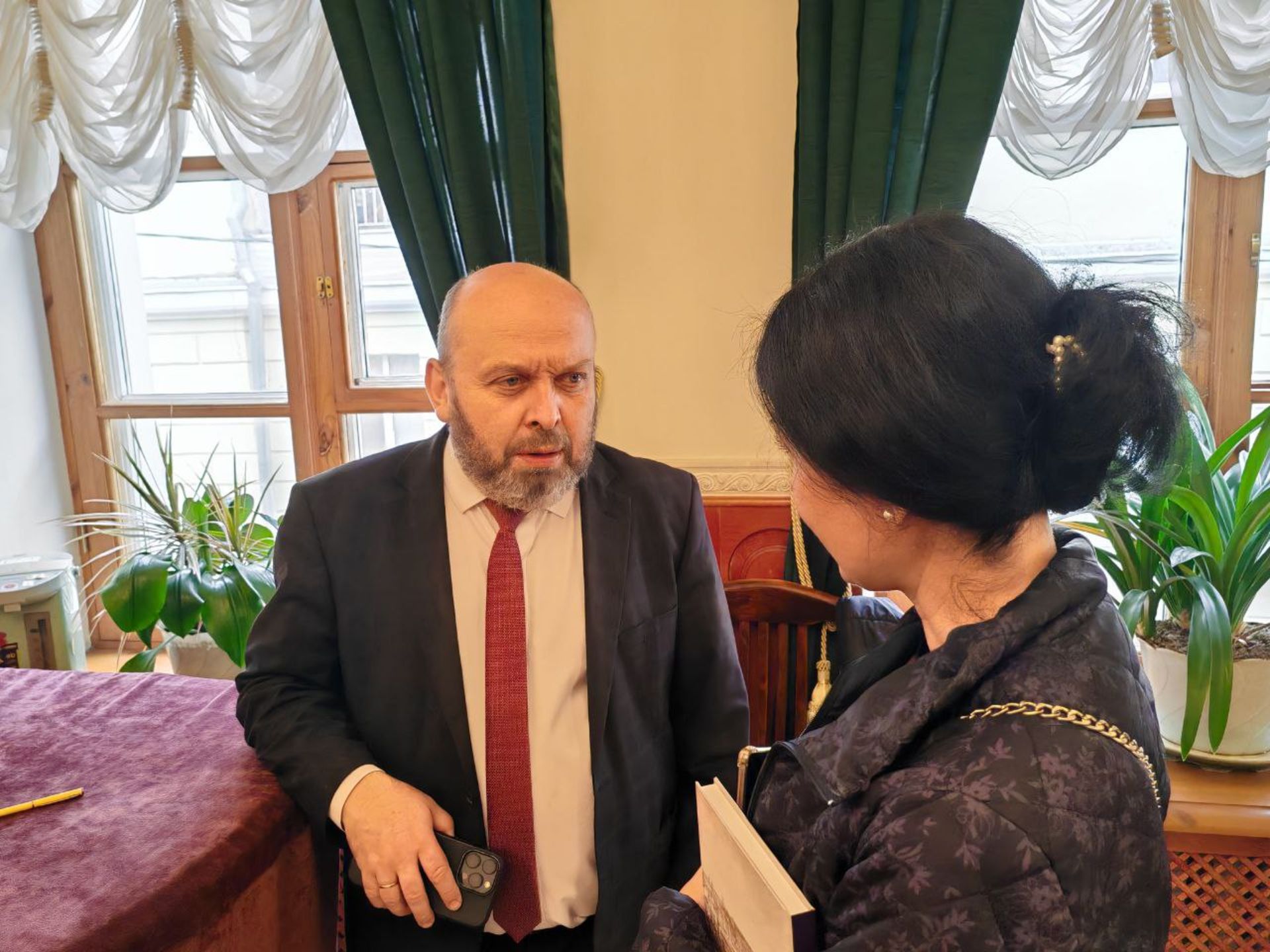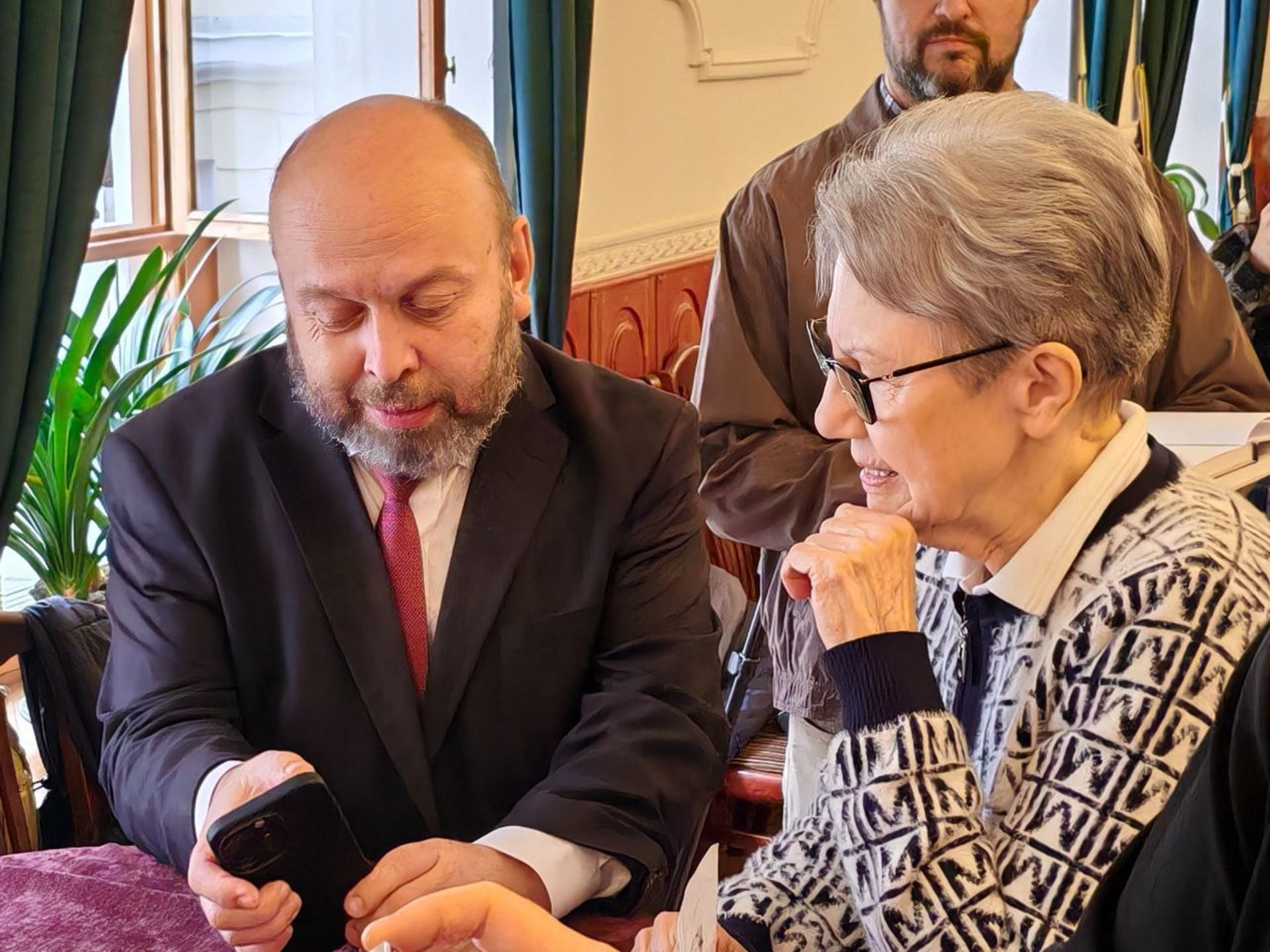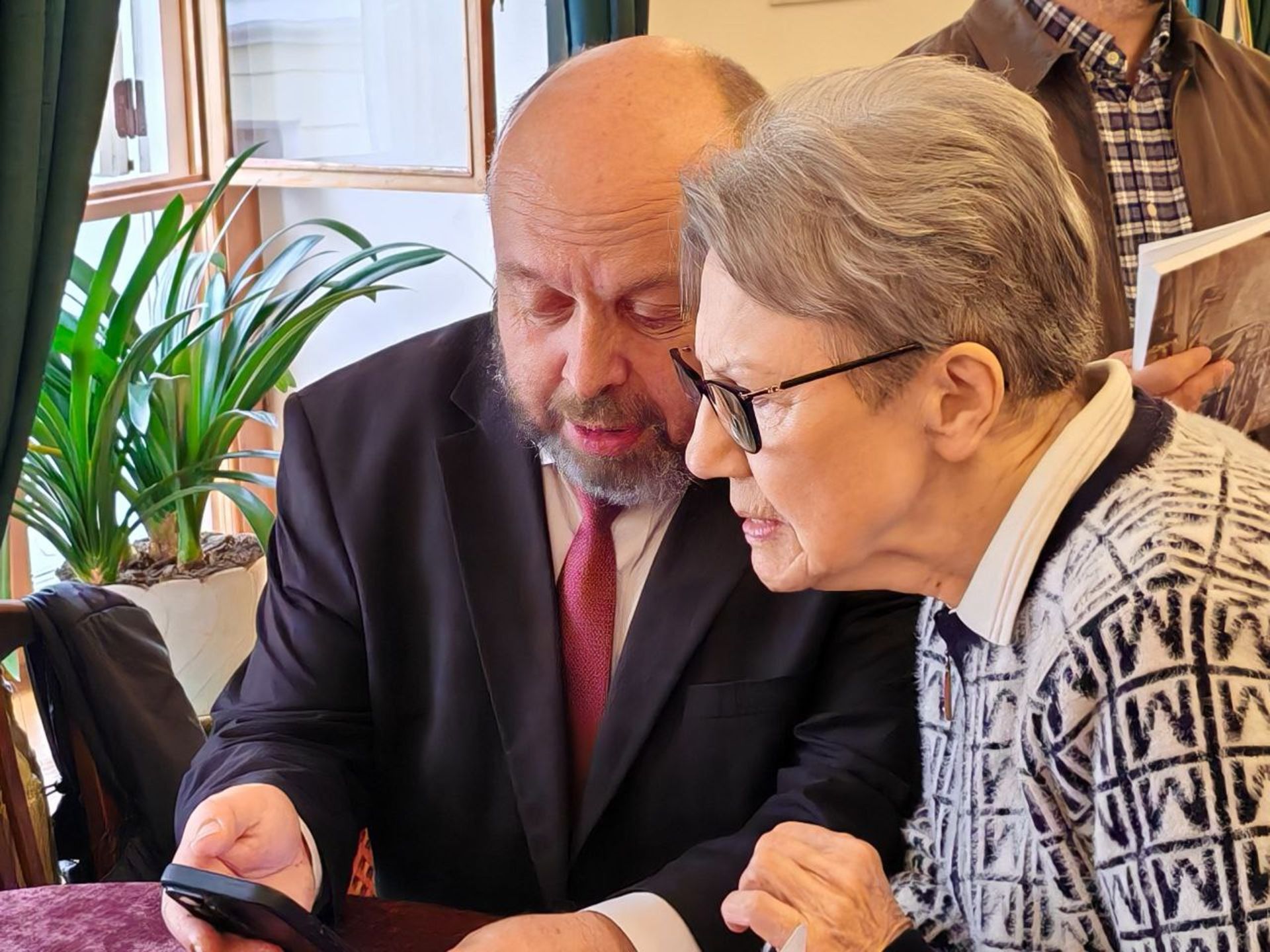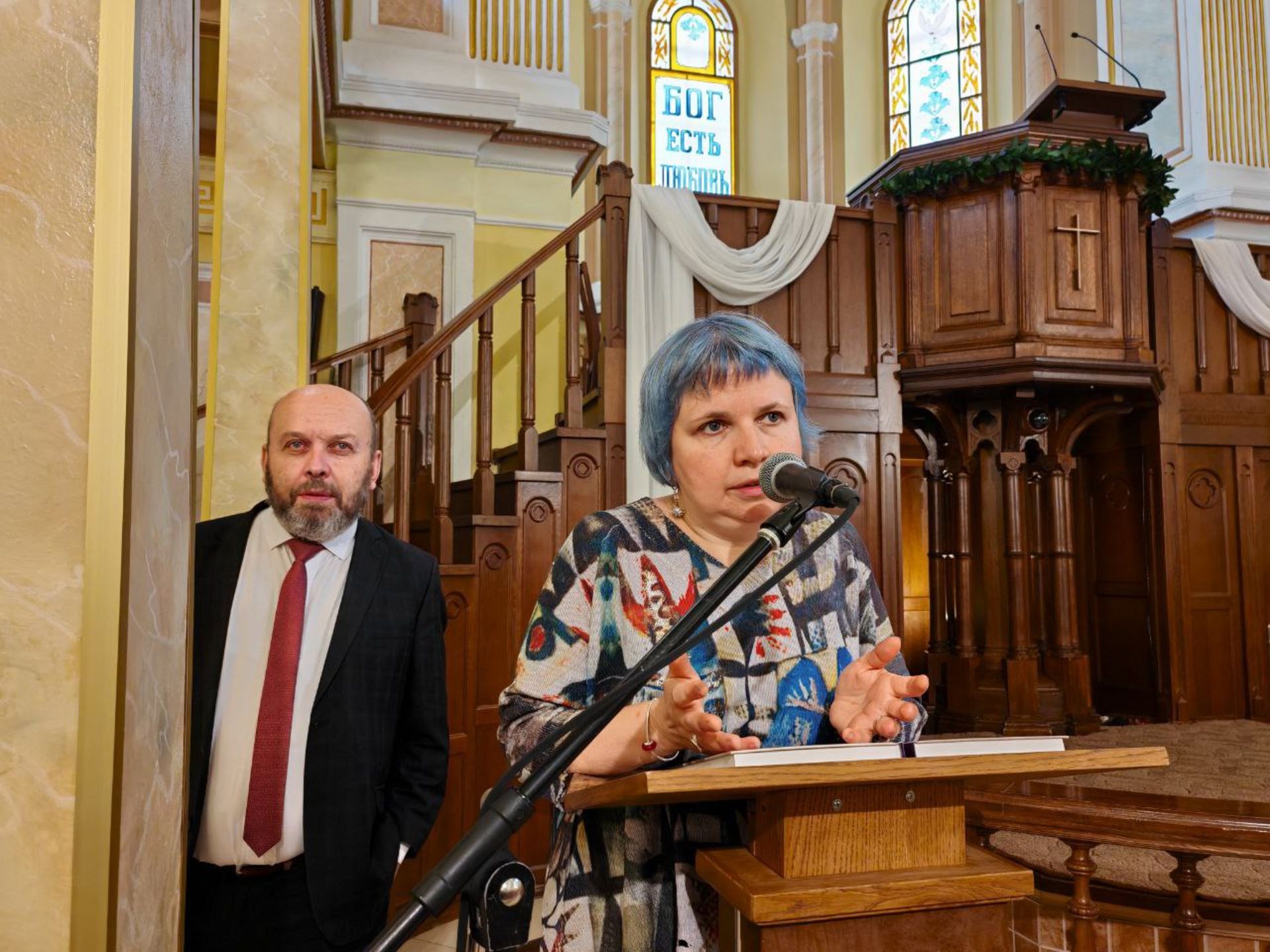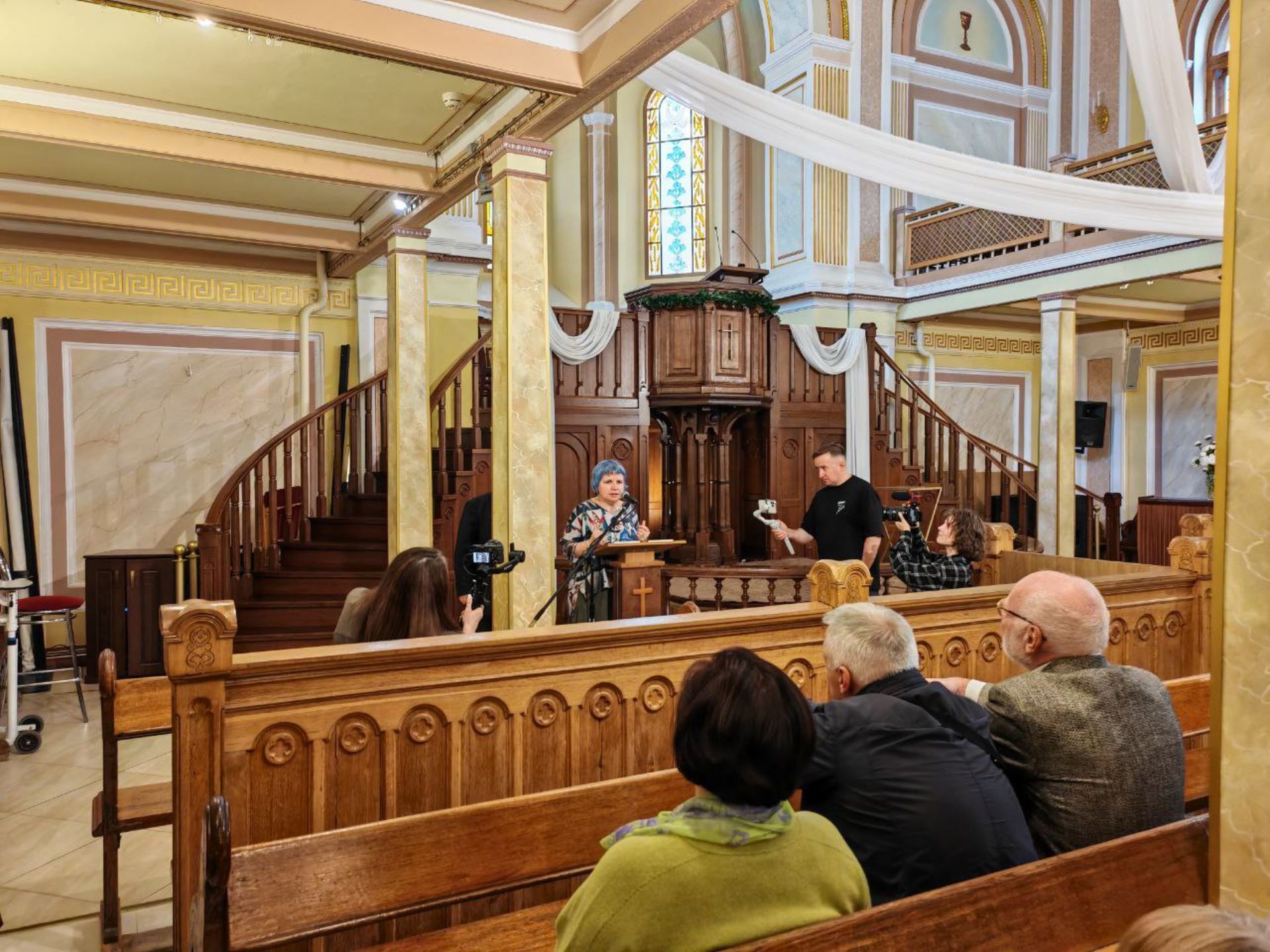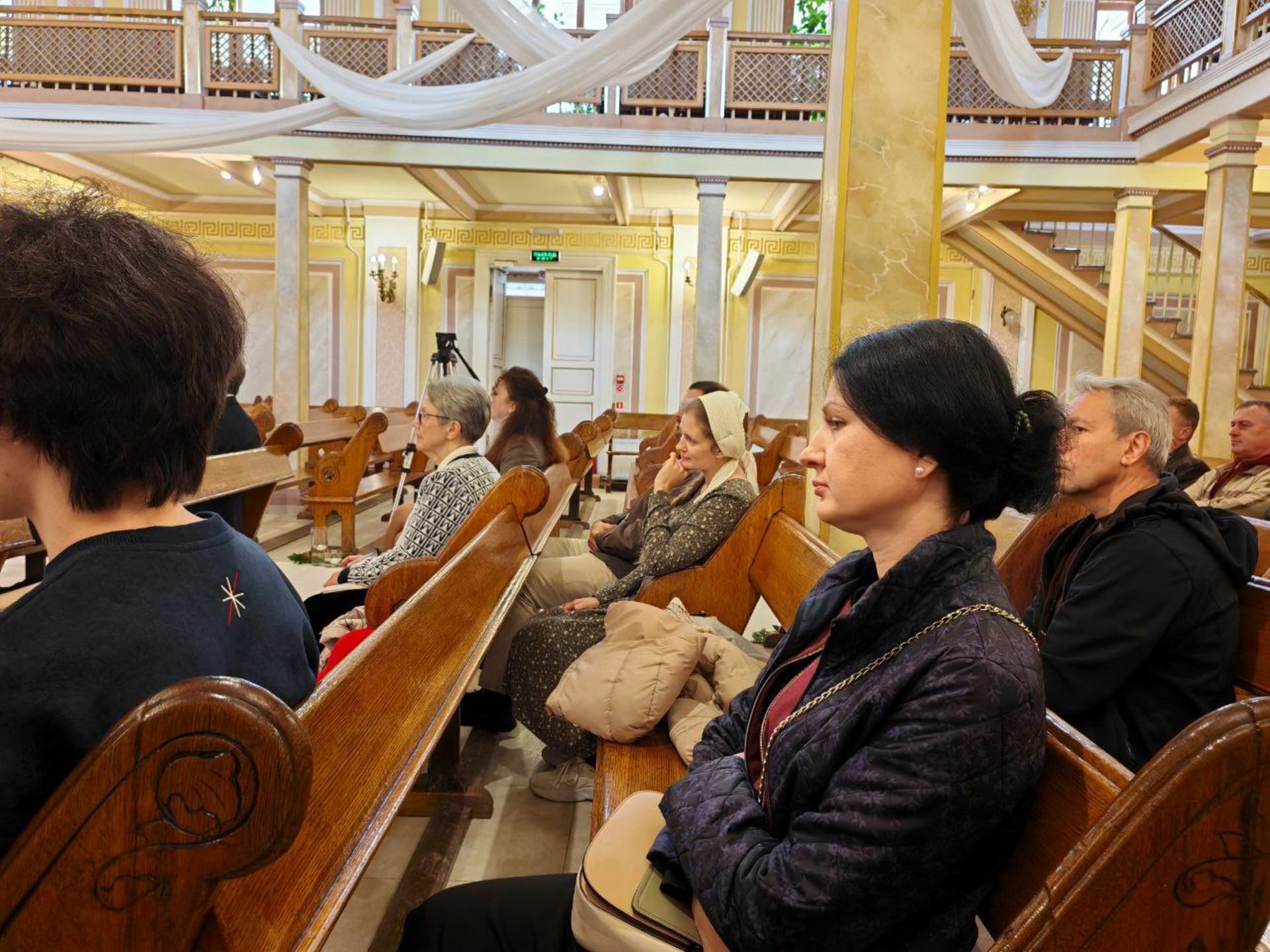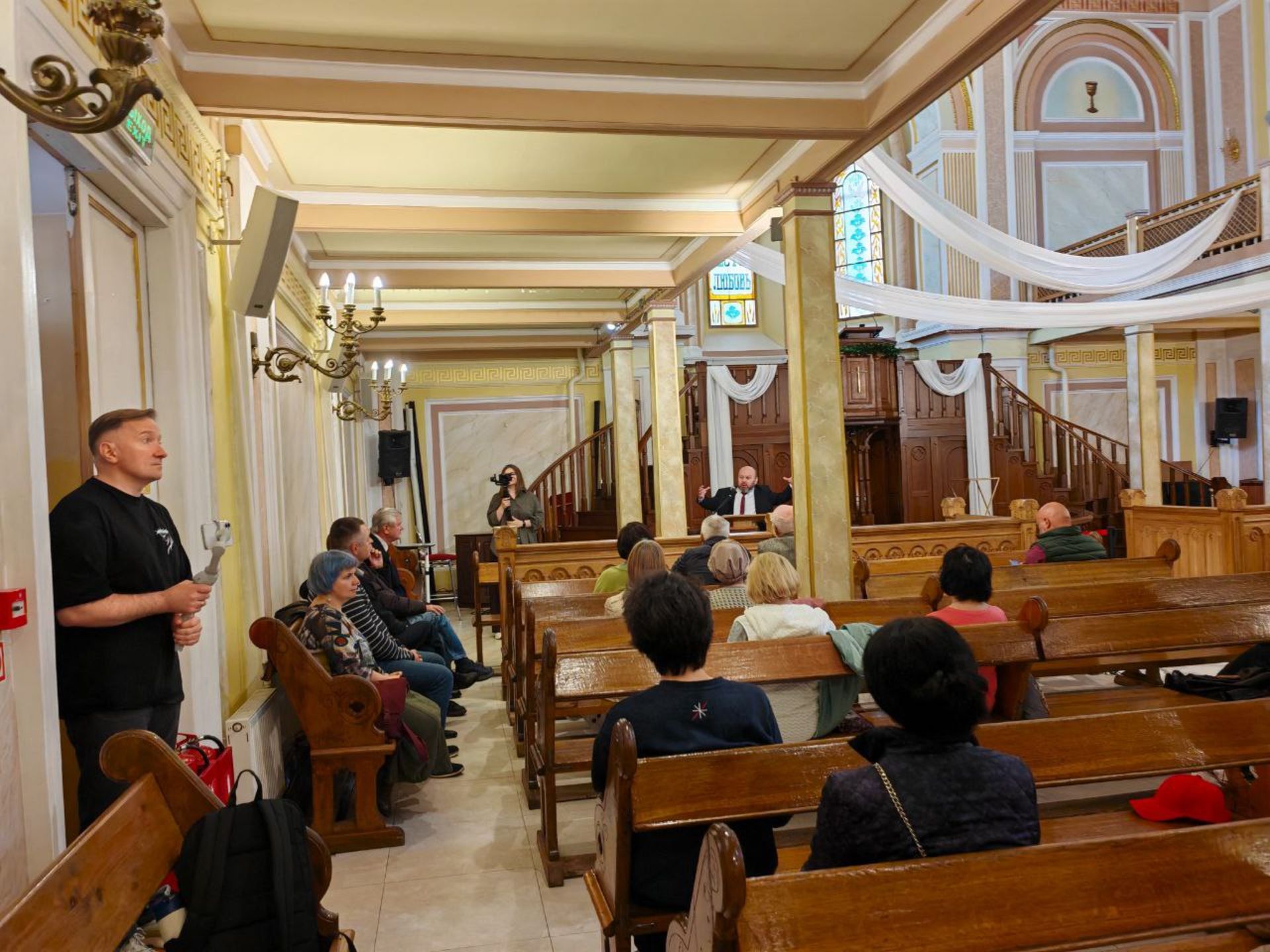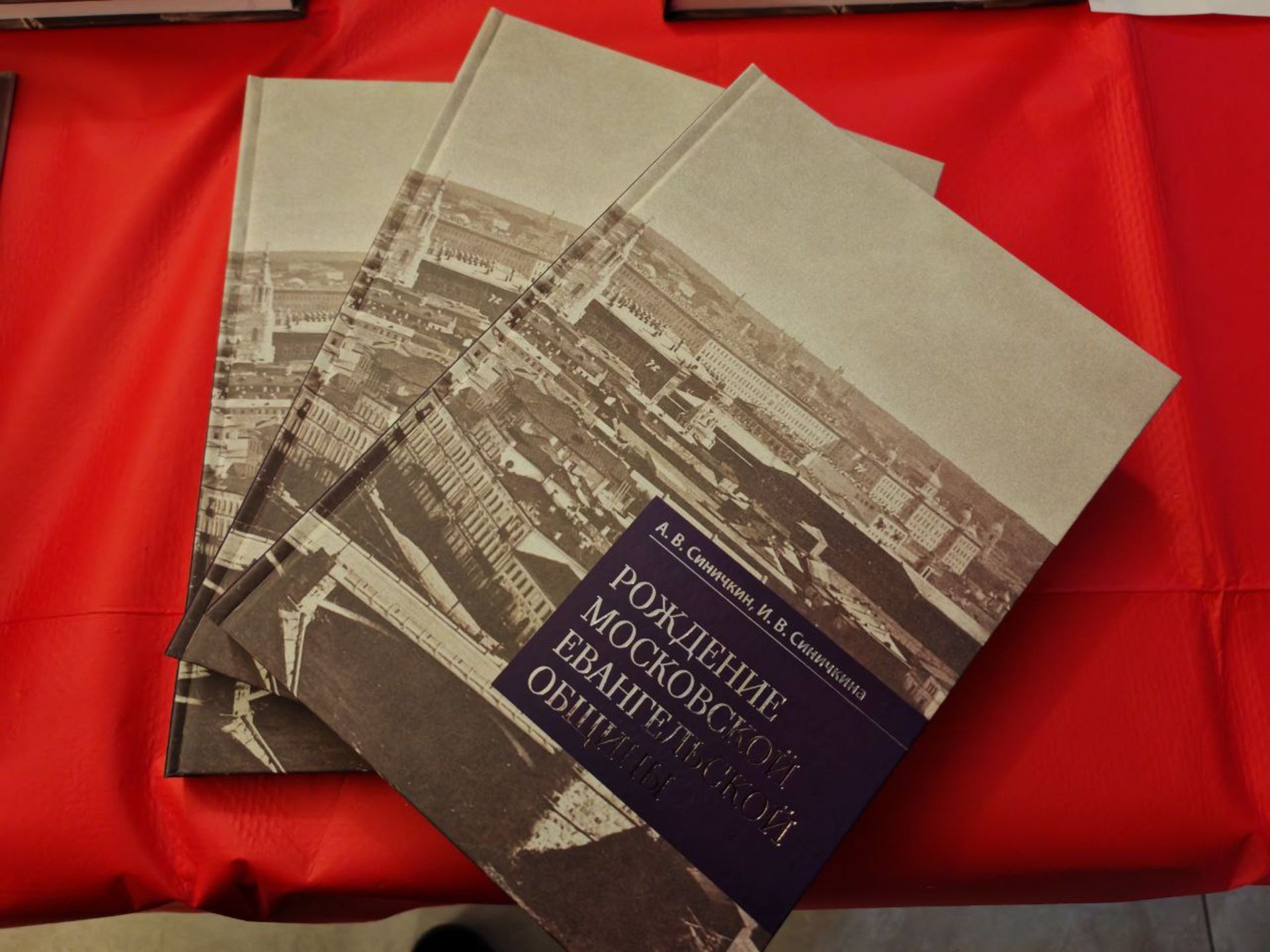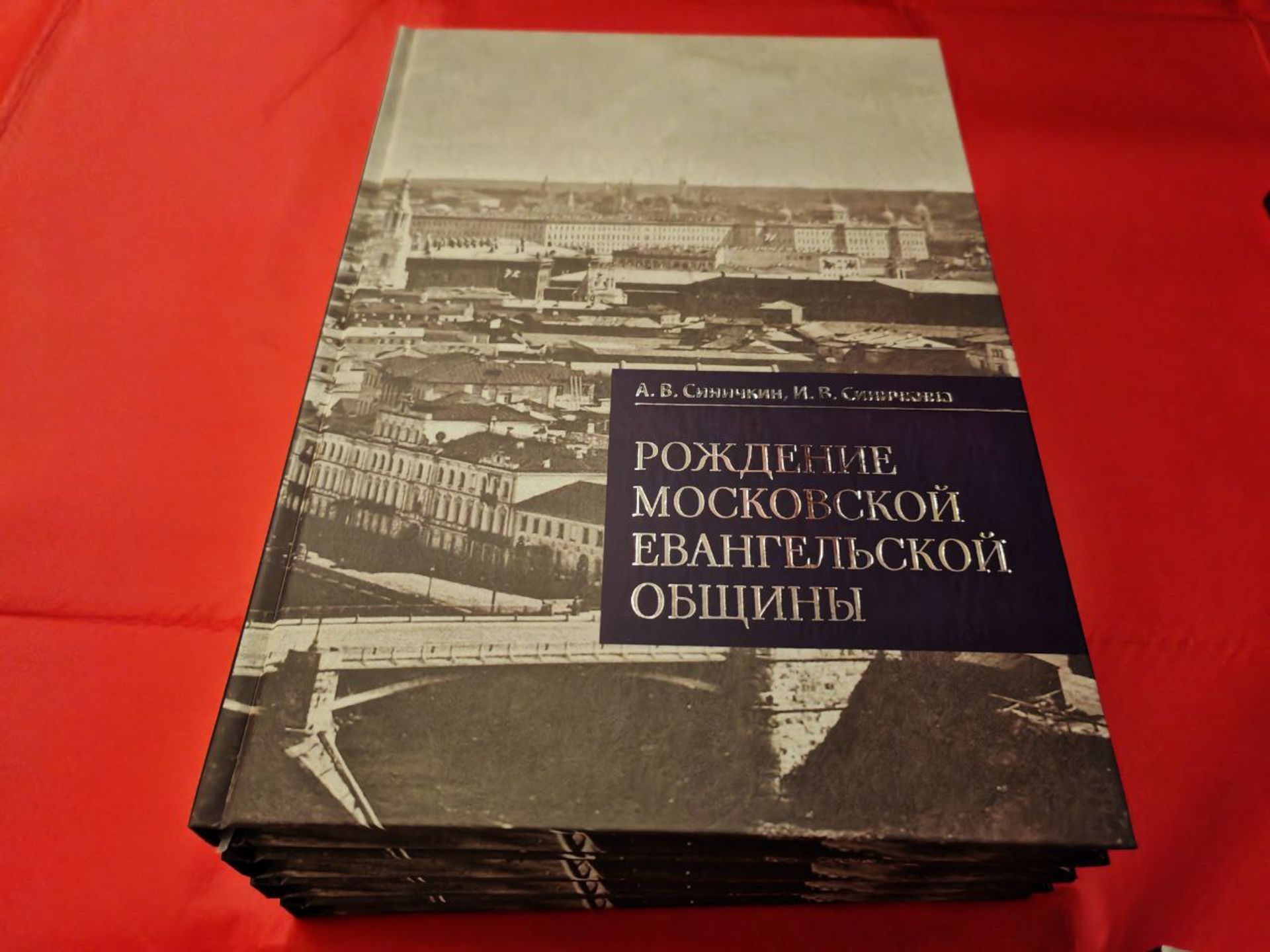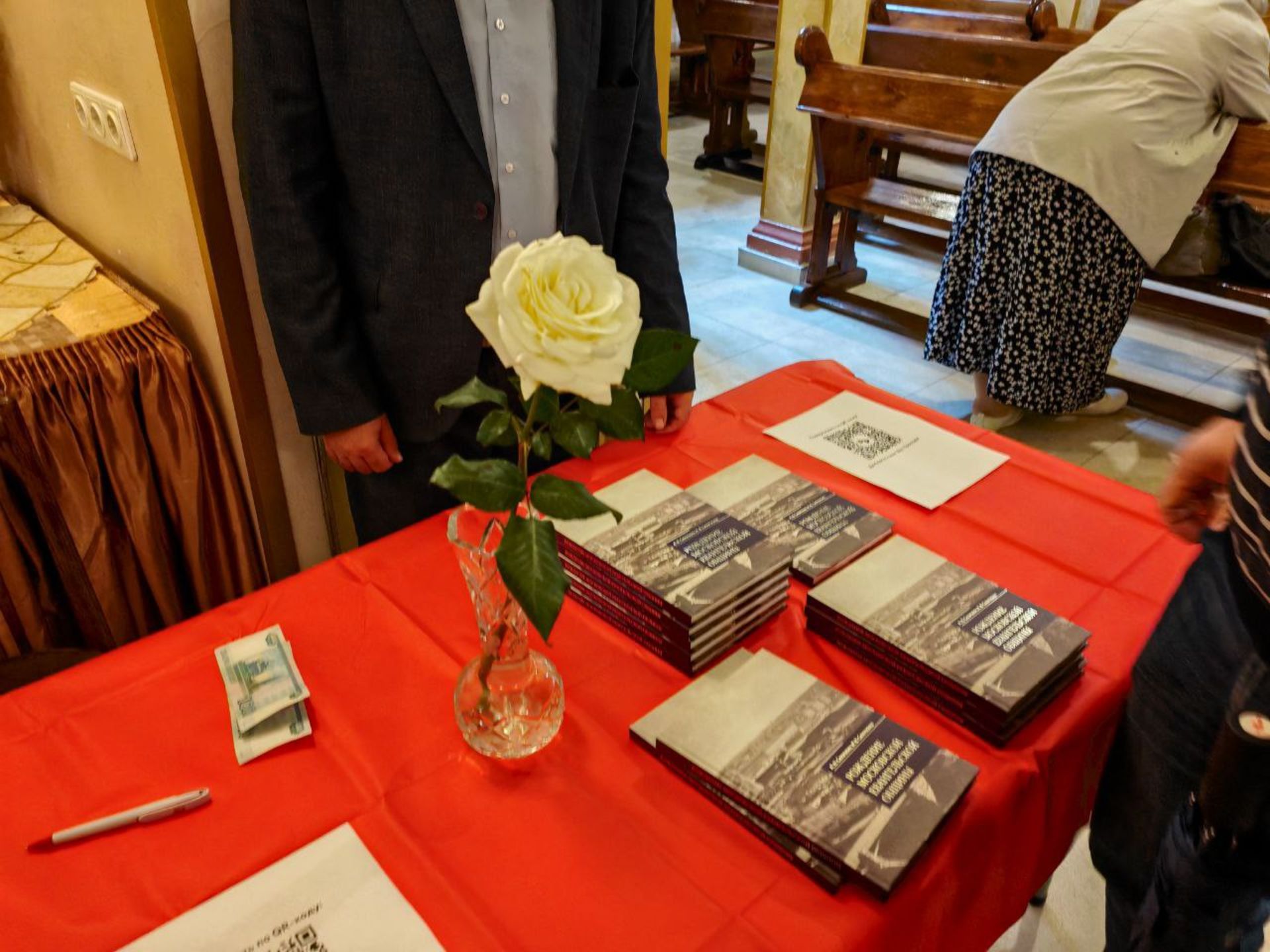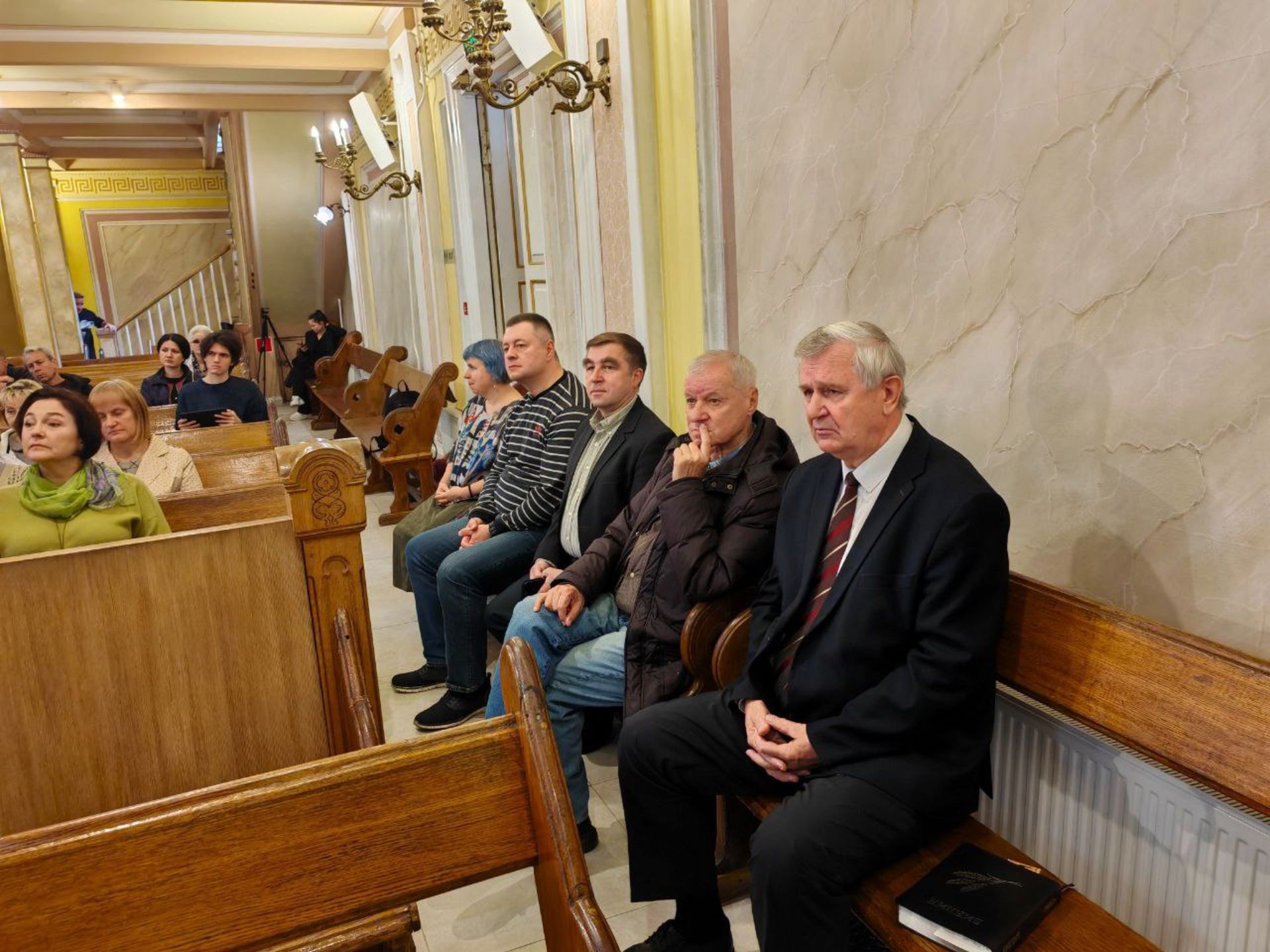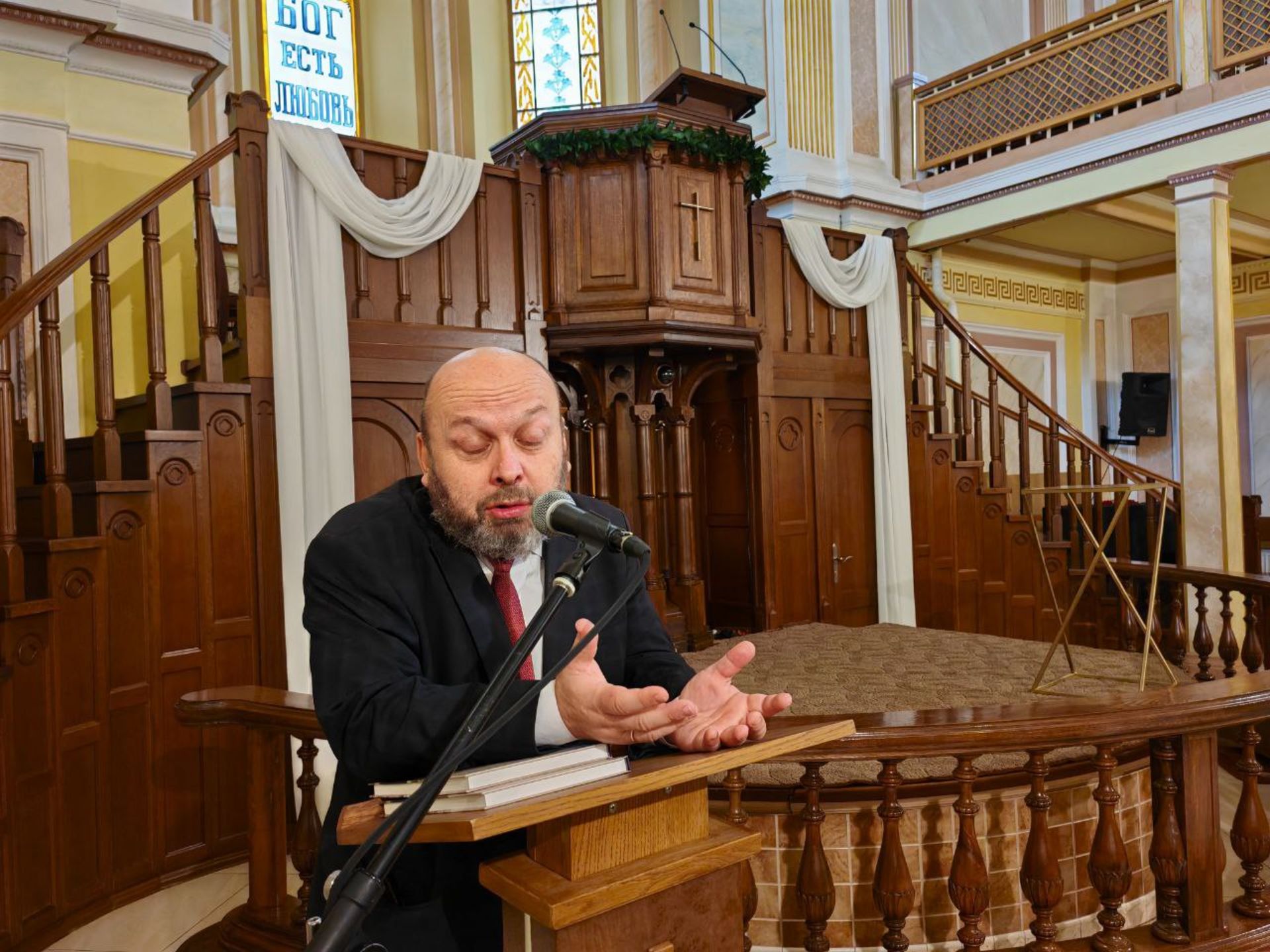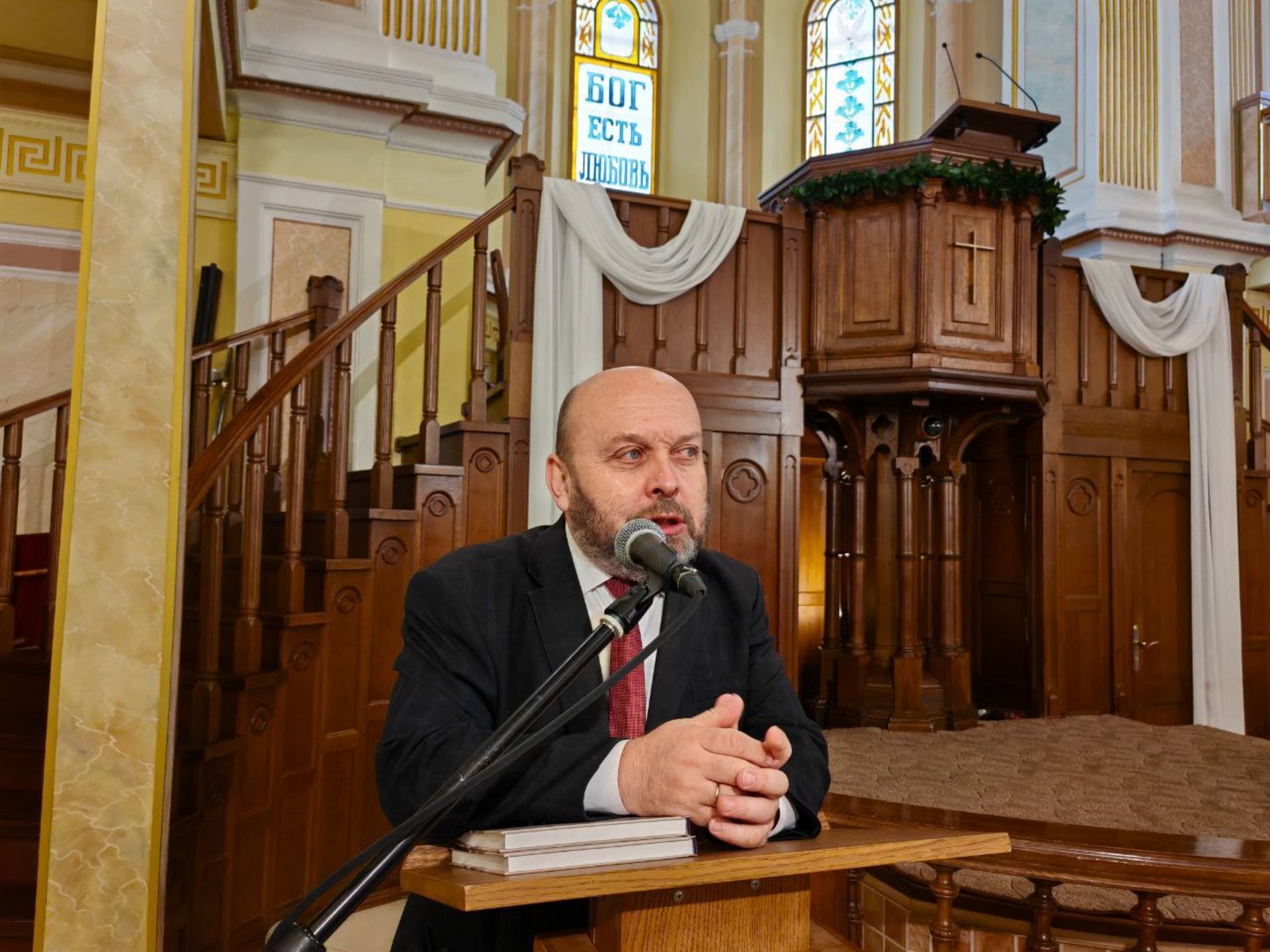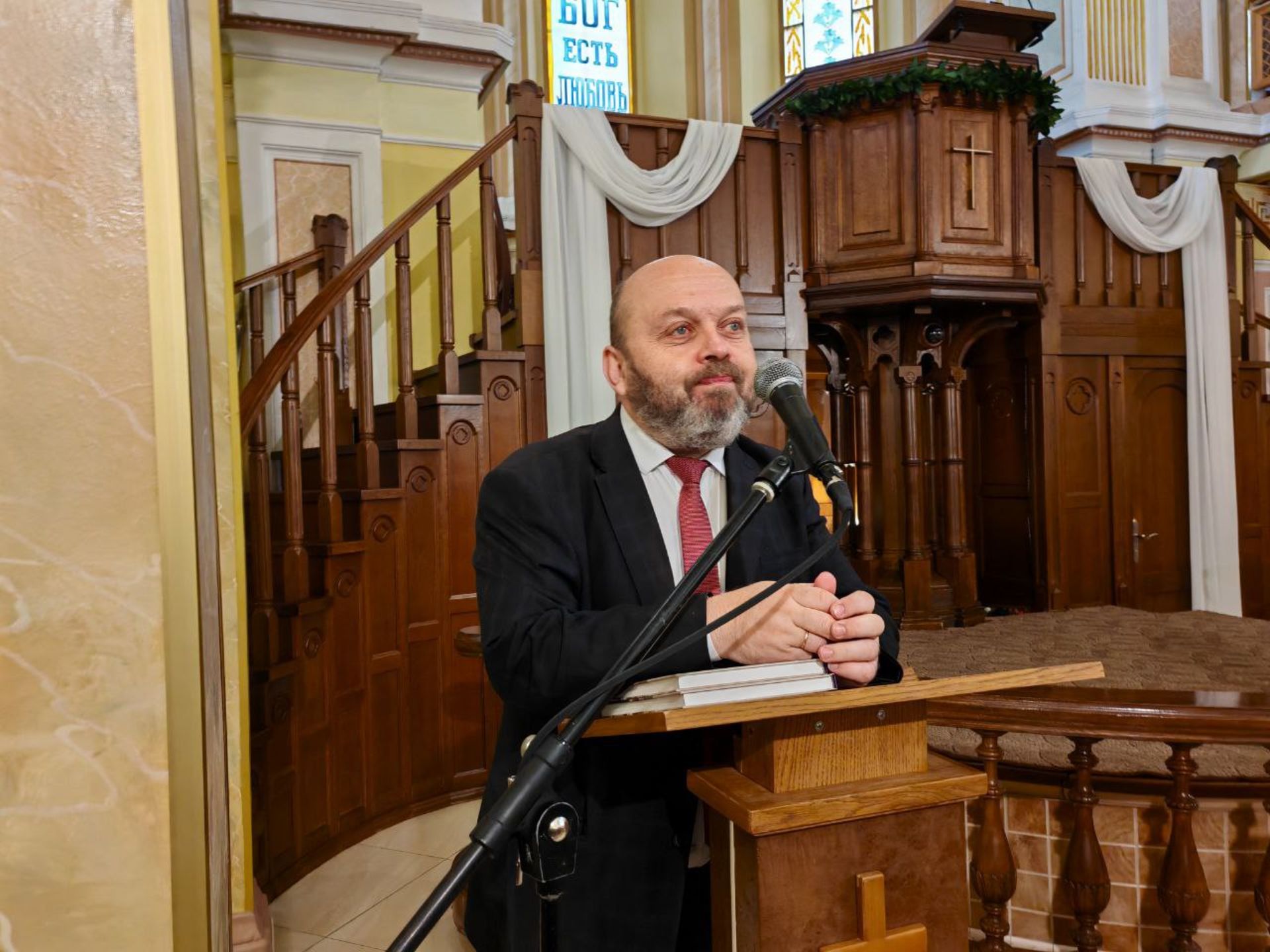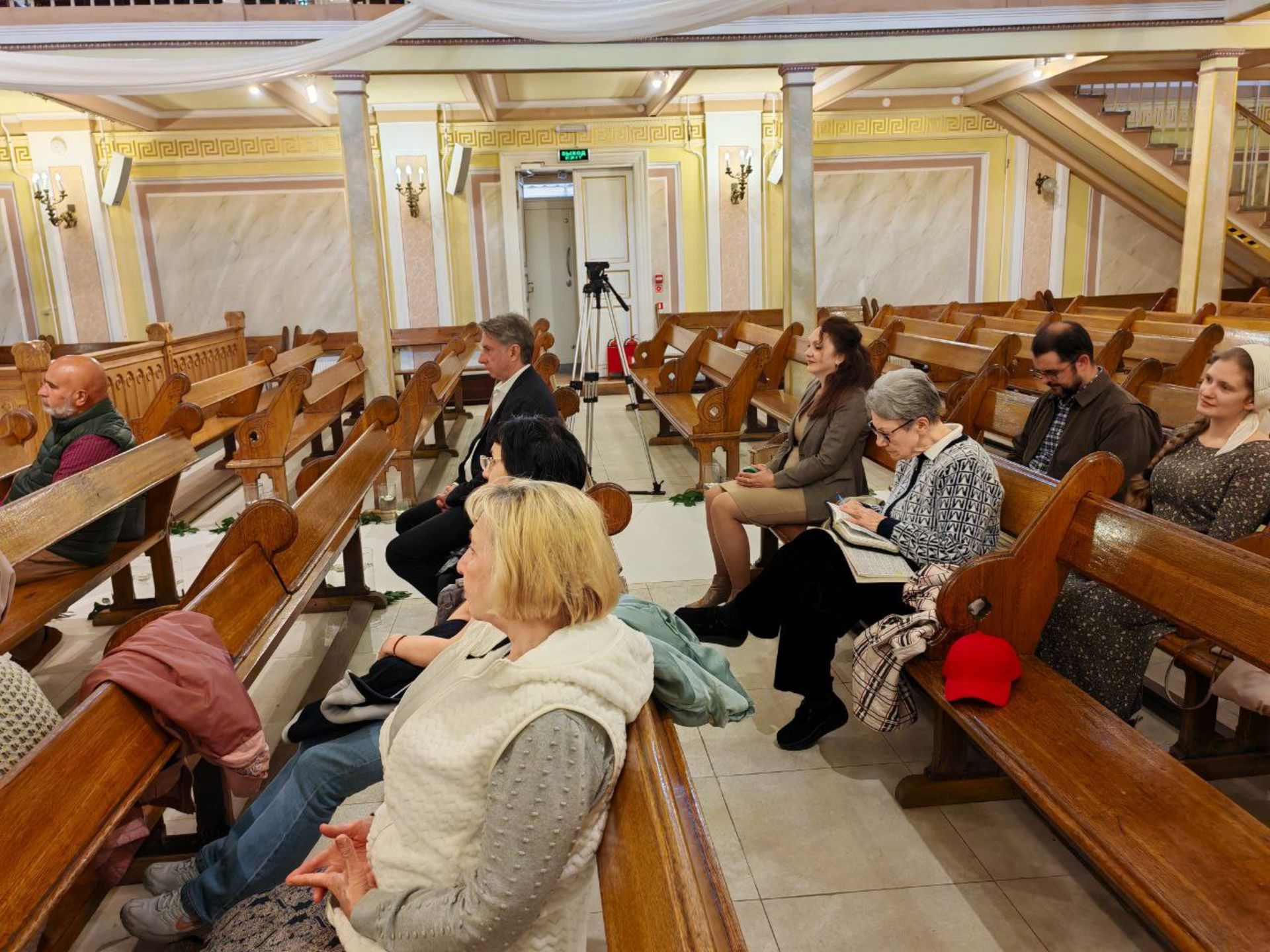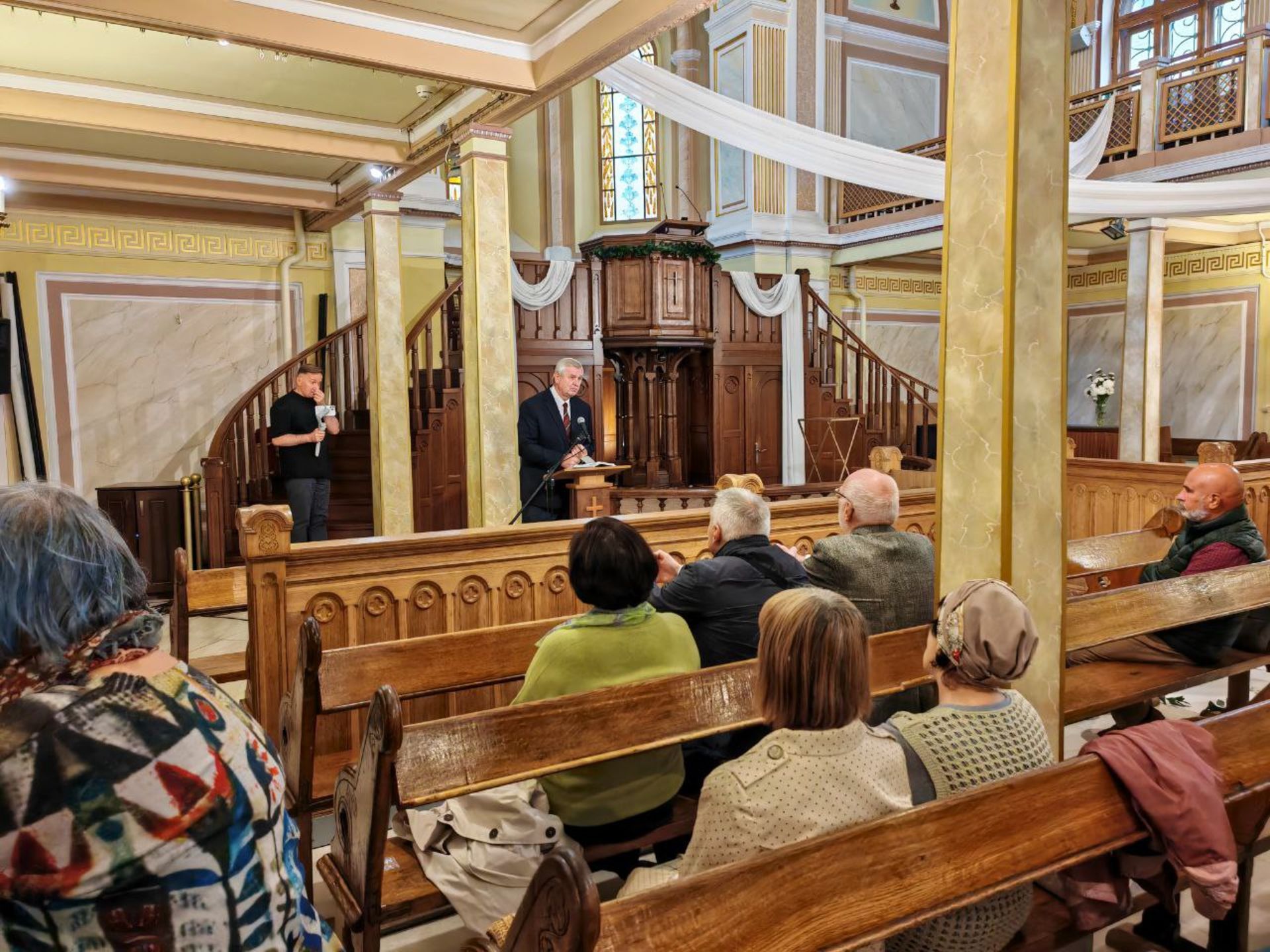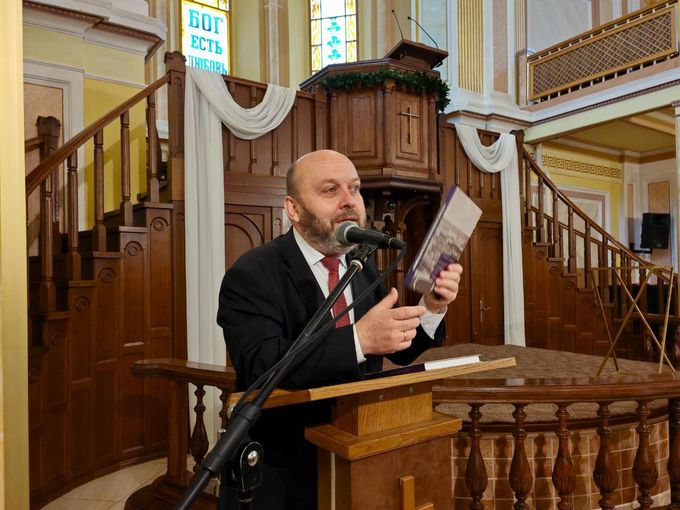
Several years ago, the Moscow Center for the Study of the Gospel decided to publish a series of books about the rich and blessed history of the Evangelical movement in Moscow, which spans over 140 years. After extensive research, the first book was published.
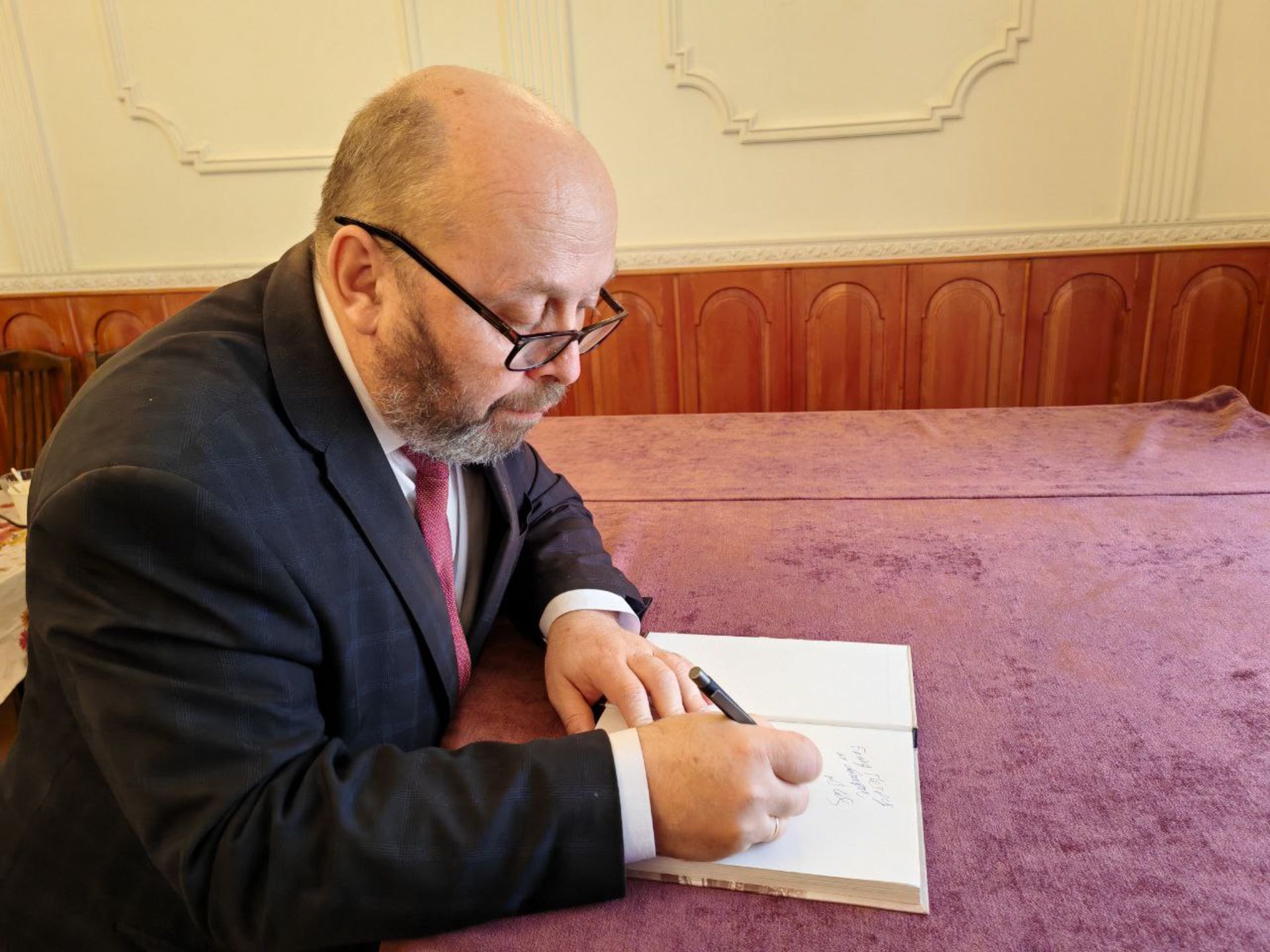
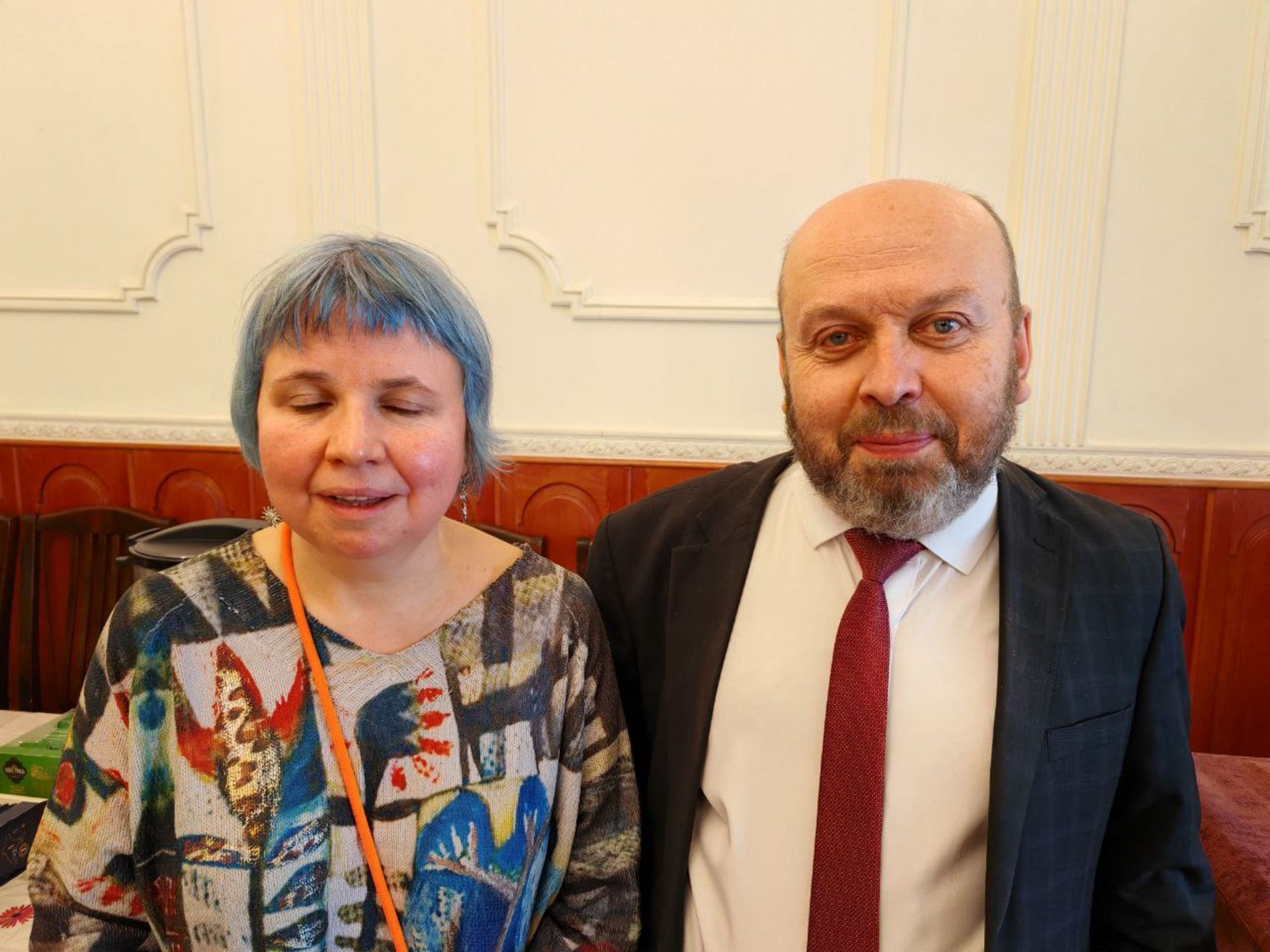
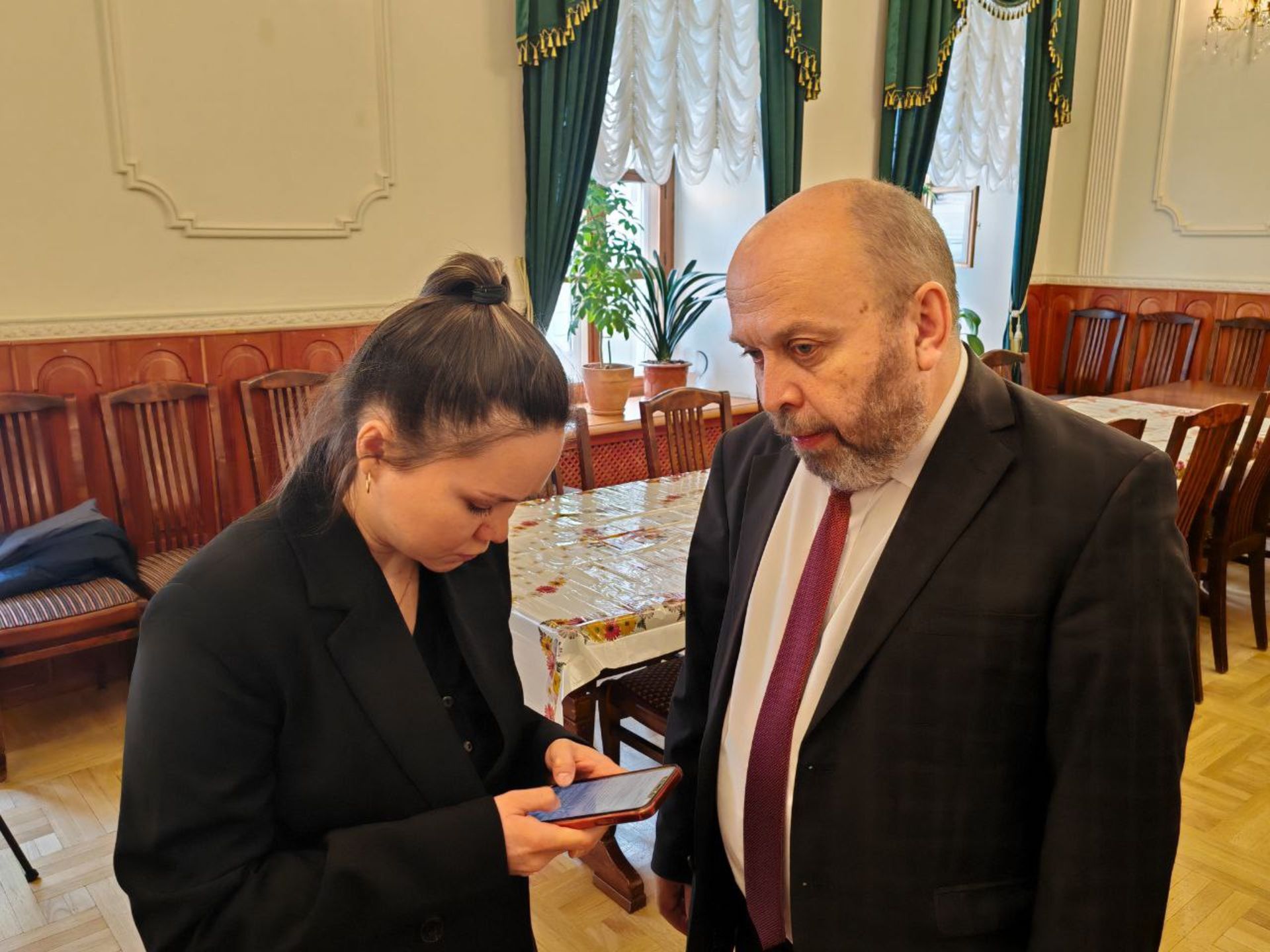
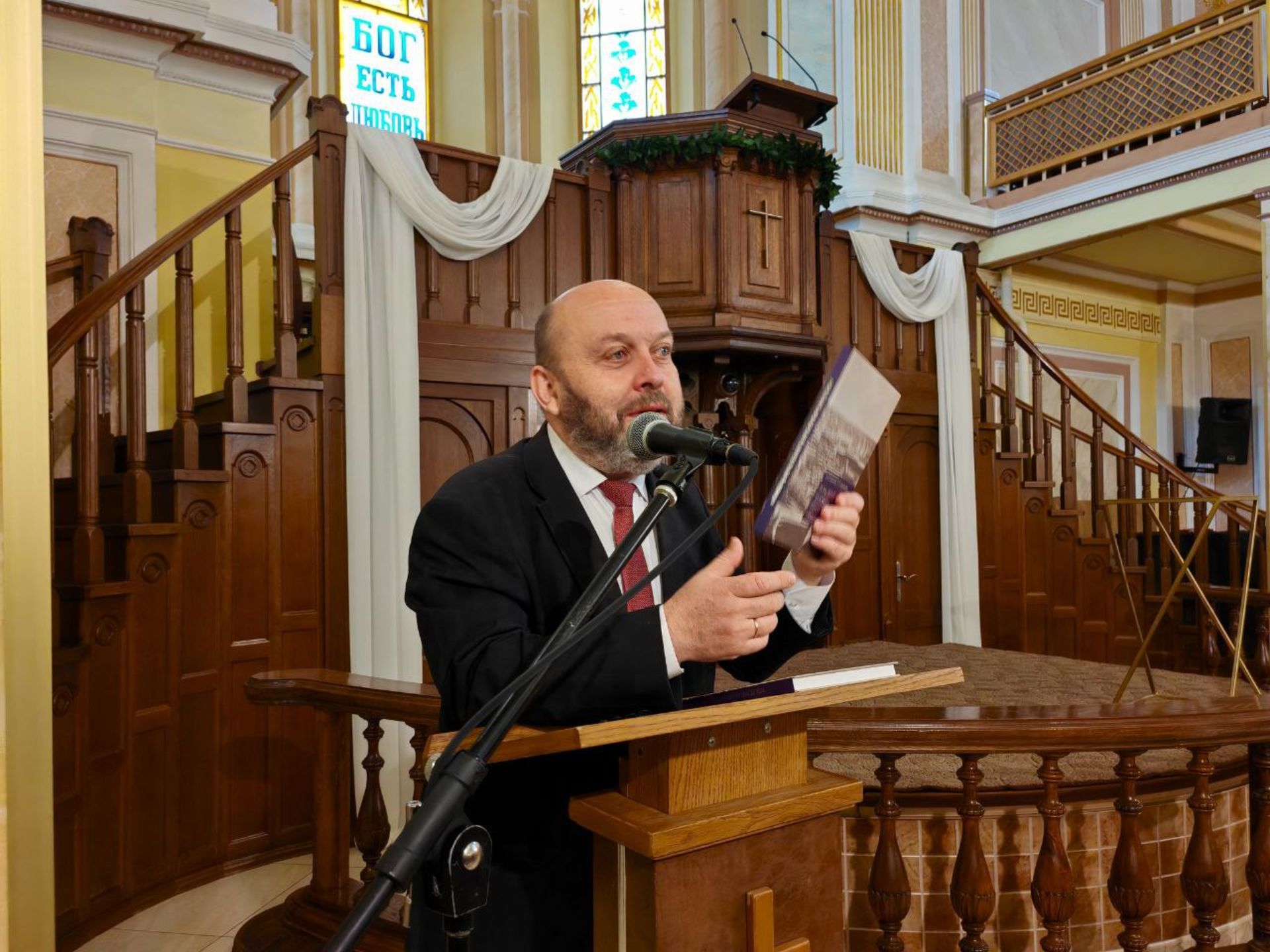
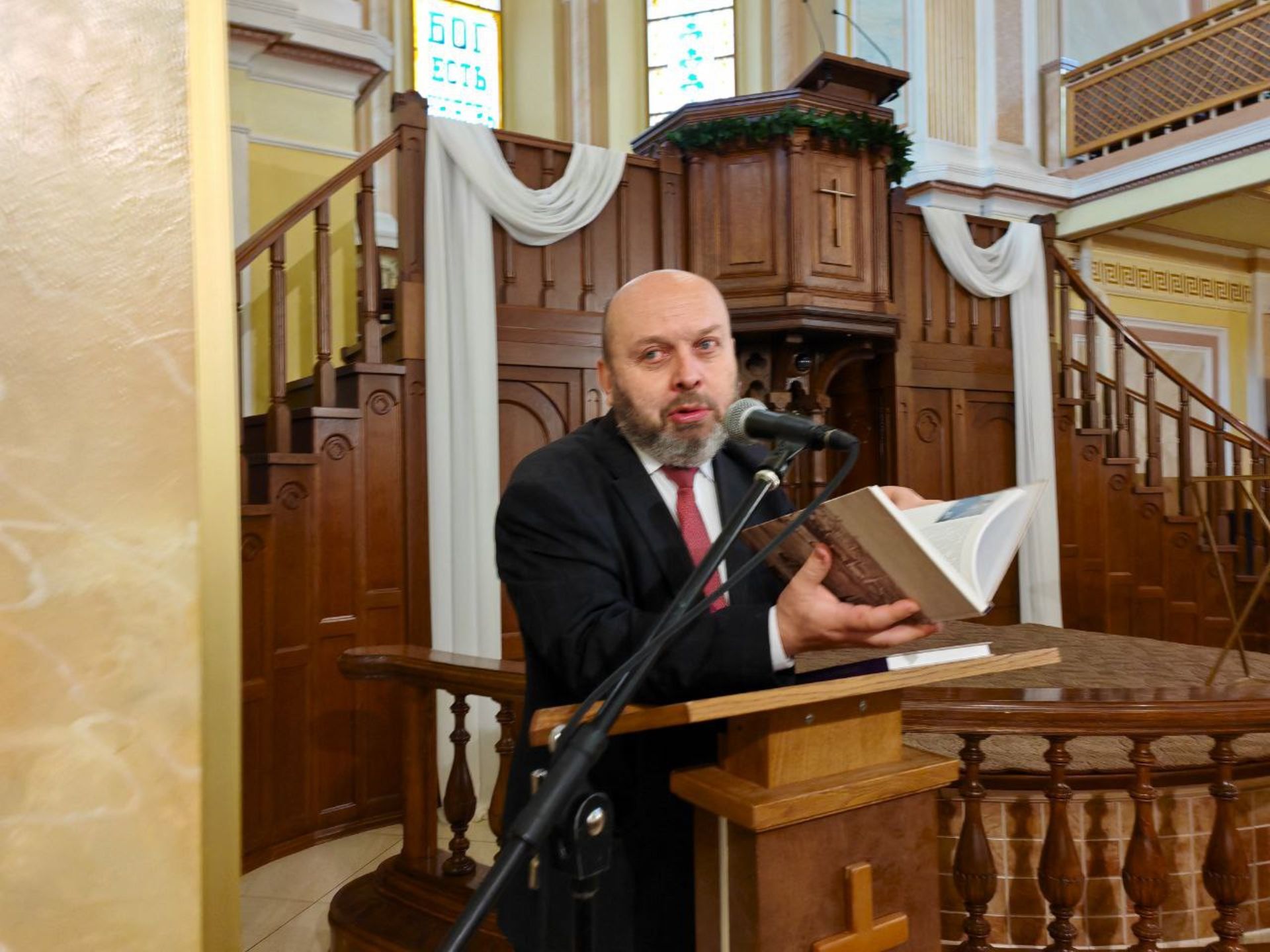
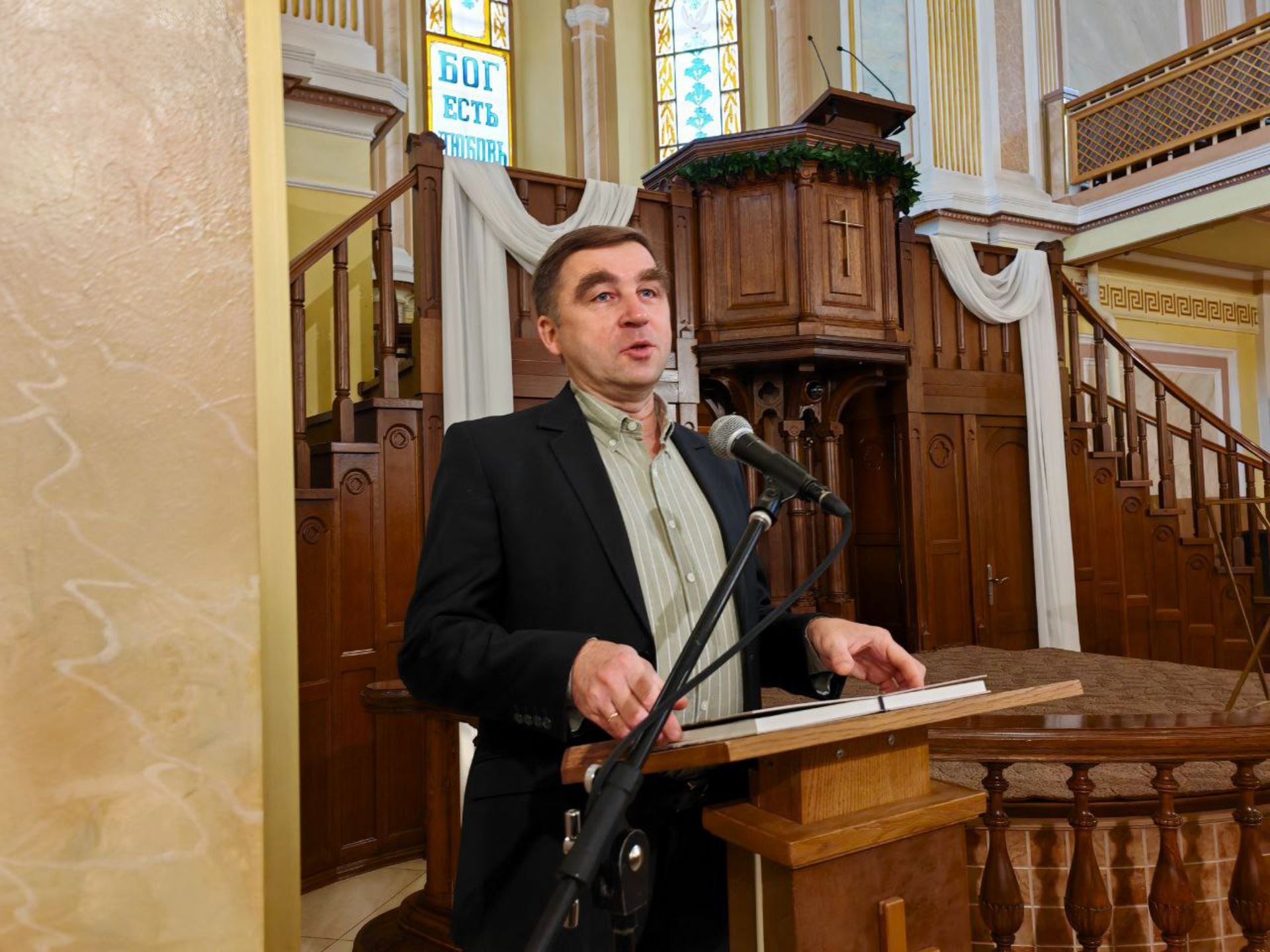
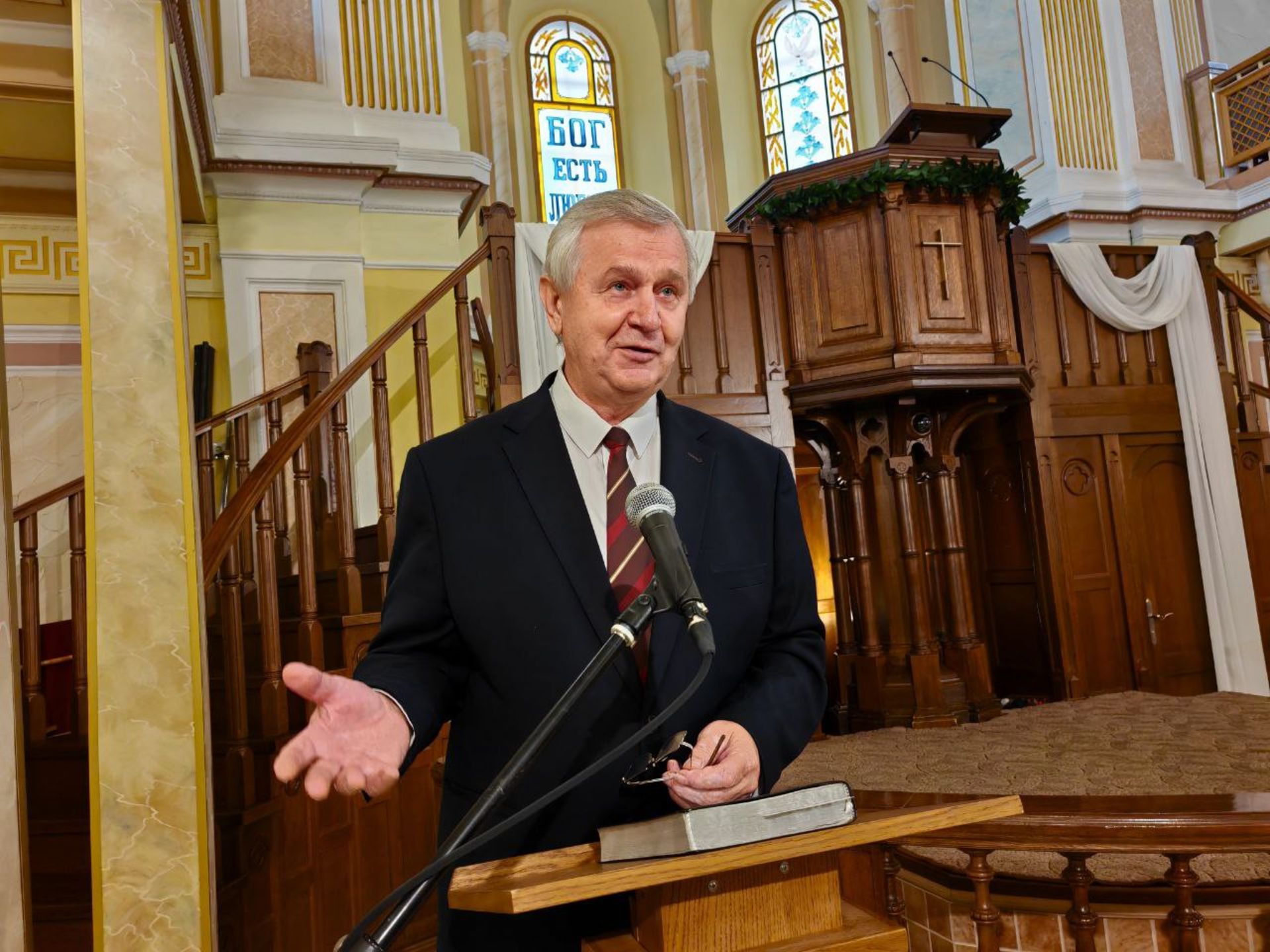
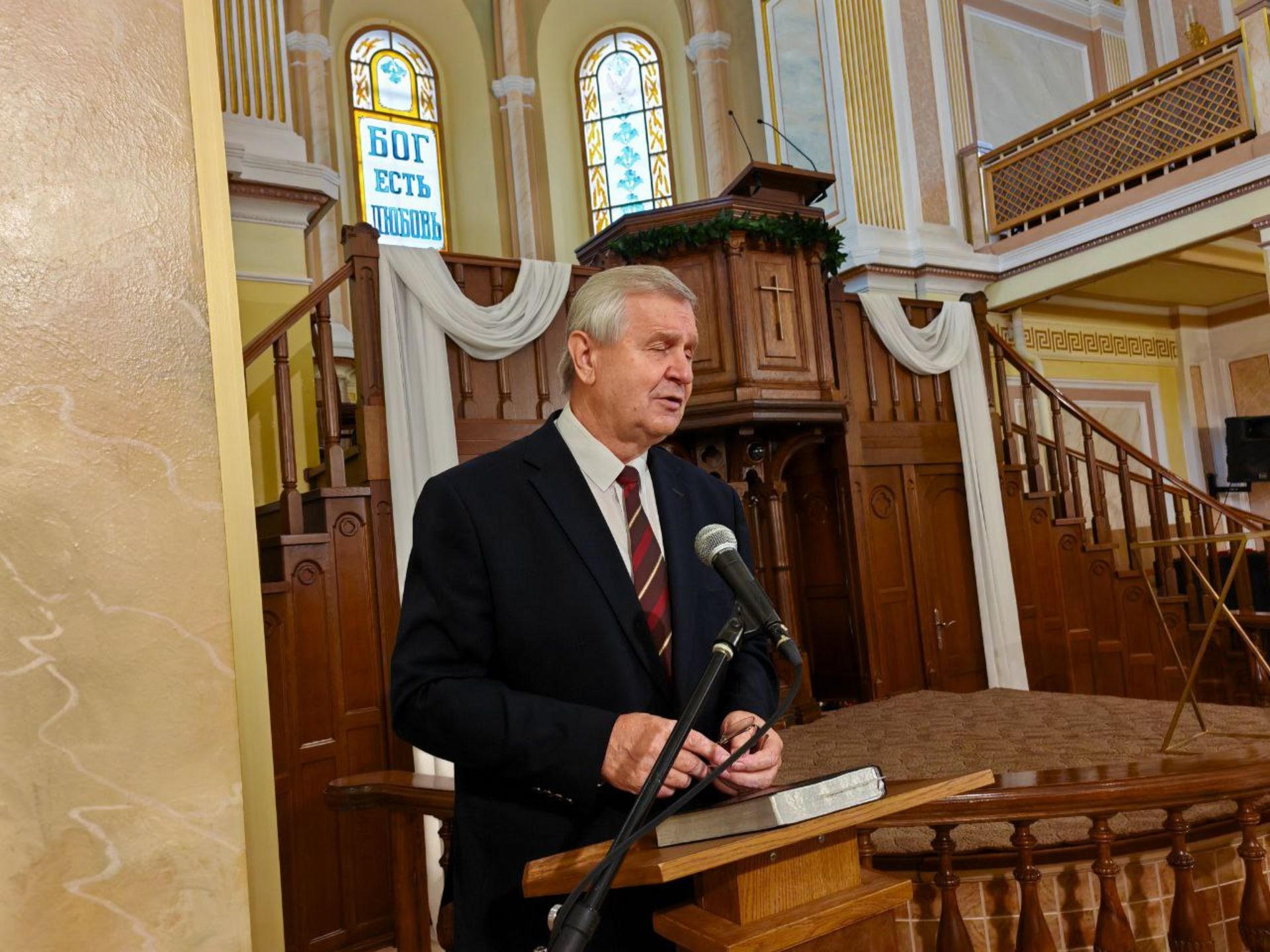
Alexey Sinichkin, our brotherhood's chief historian and archivist, explained:
"We decided to write a book that would be readable, not just for specialists. And I enlisted the help of my sister, Irina Valeryevna, a professional journalist. Why is 1882 considered the founding year of the Moscow Evangelical Community? It took two years to find the basis for this date. It's well known that from 1930 to 1991, the Moscow church remained the heart of the spiritual life of Baptists in Russia. For nearly 50 years, the community served as a spiritual center for the entire USSR."
The beginnings of evangelical life in Moscow struggled to thrive. Approximately 20 congregations found refuge in the Moscow Central Church after 1917. We explored the 1920s, a period about which little has been written, yet which was vibrant! A revival was evident among believers: the families of ministers—the Pavlovs, Timoshenkos, Odintsovs, and others—moved to the capital. Choirs and congregations were actively organized, and magazines were published. An decree on April 8, 1929, "On Religious Associations," marked the intensification of the anti-religious struggle. An open campaign against religious organizations and repression against believers began. Odintsov was arrested at the Semenovskoye Cemetery of the Orthodox Church in Moscow, thus destroying the last Baptist congregation in Moscow. After 1930, a flood of congregations from the provinces began to move to the capital.
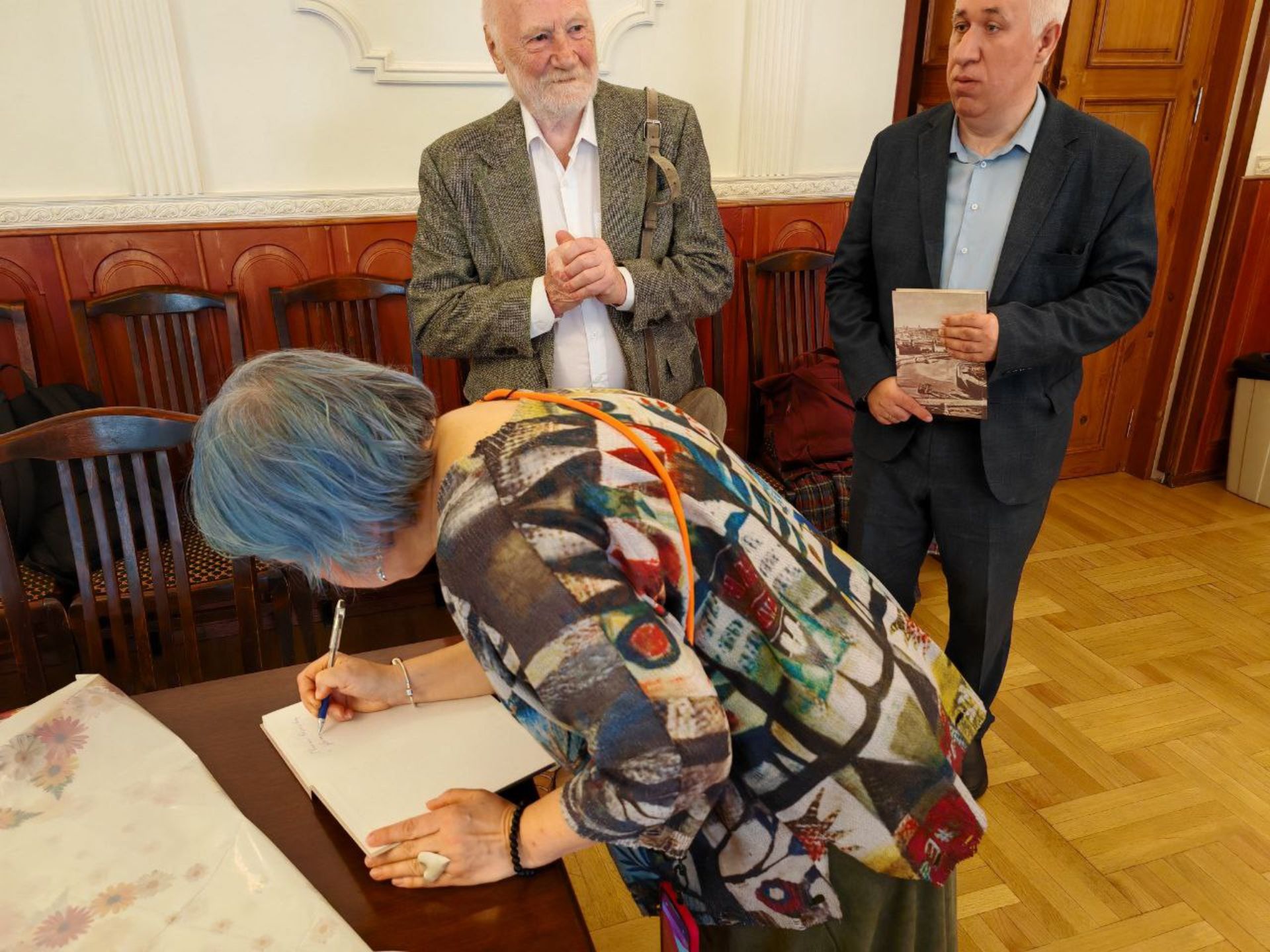
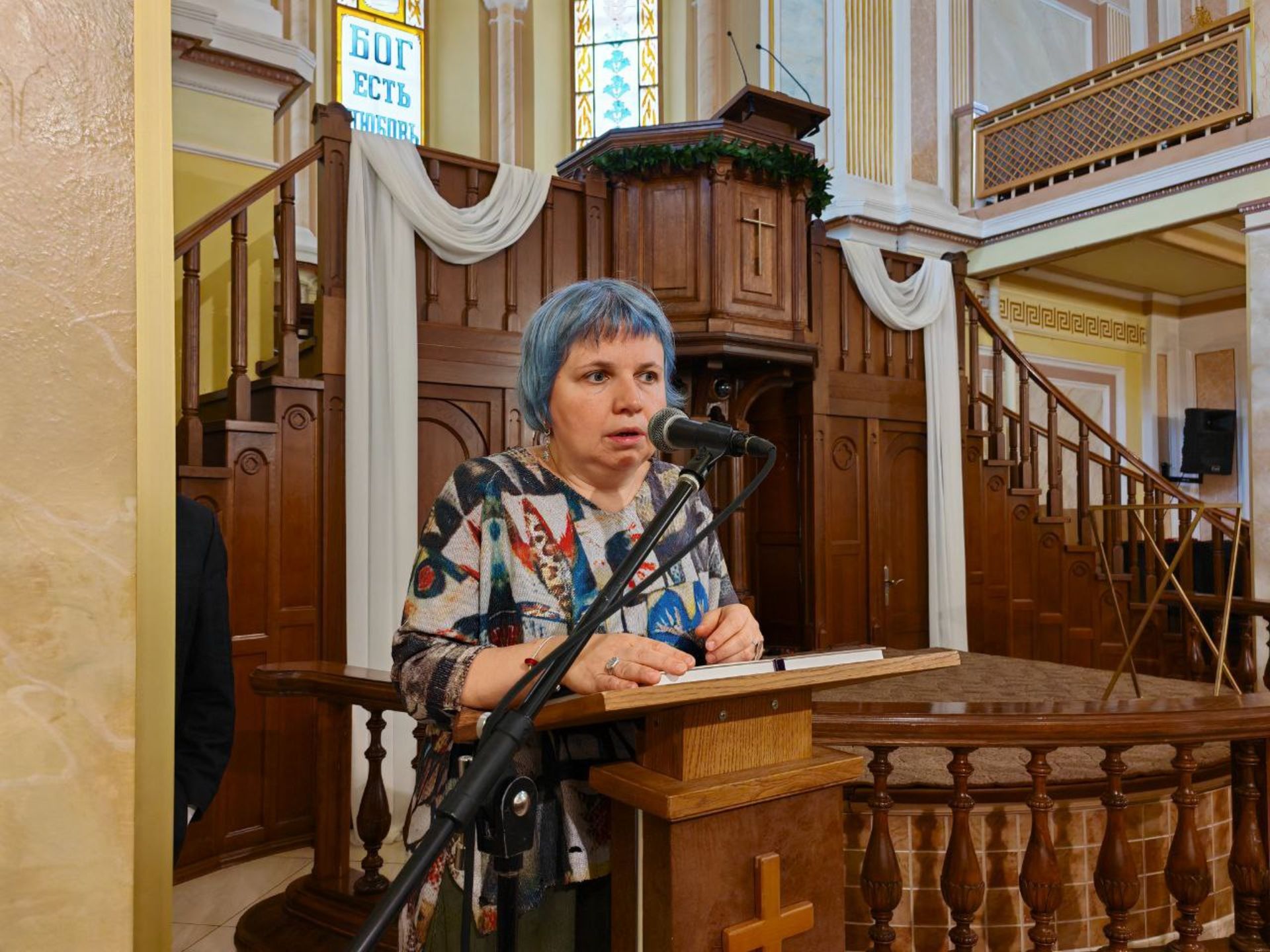
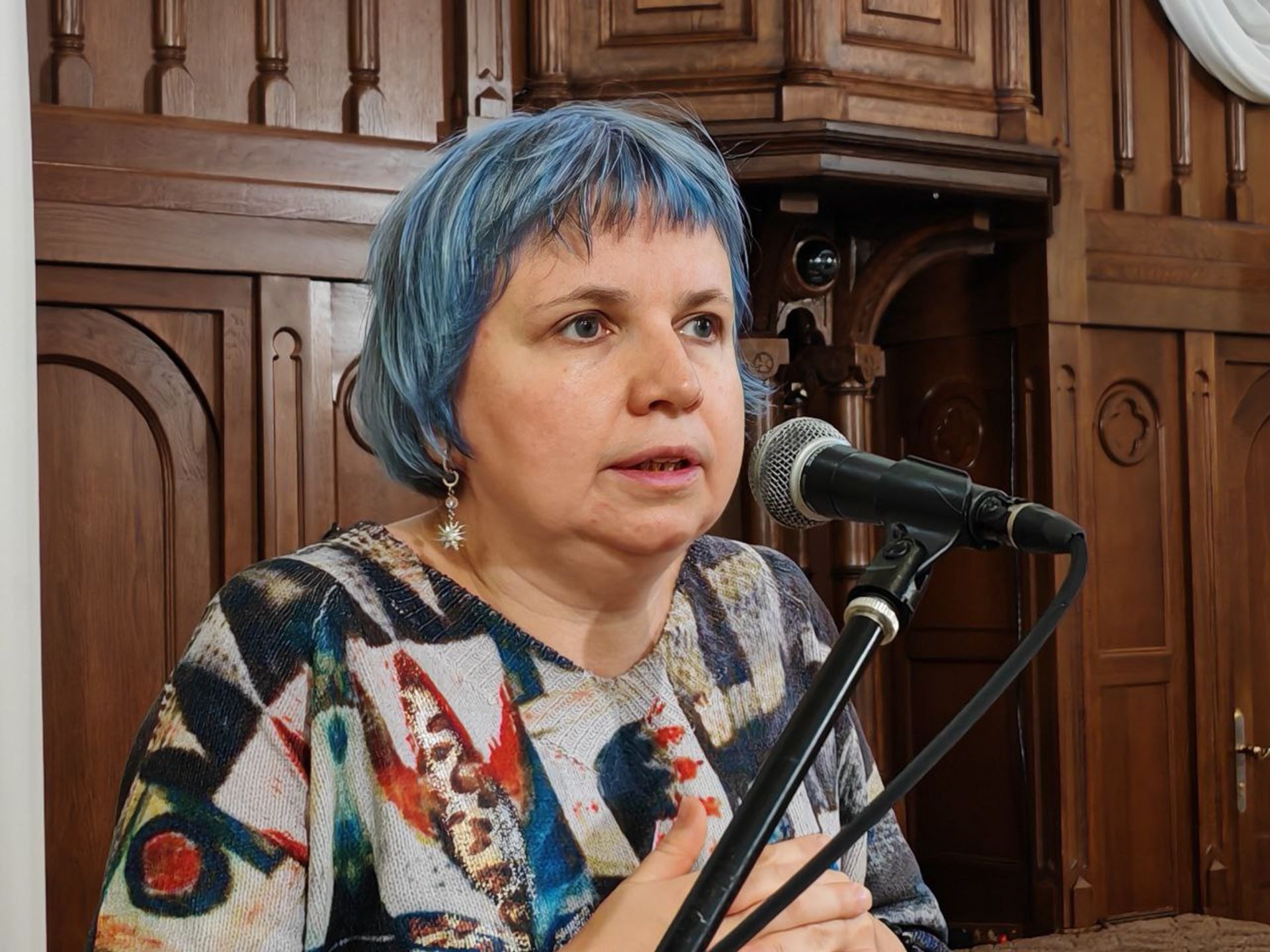
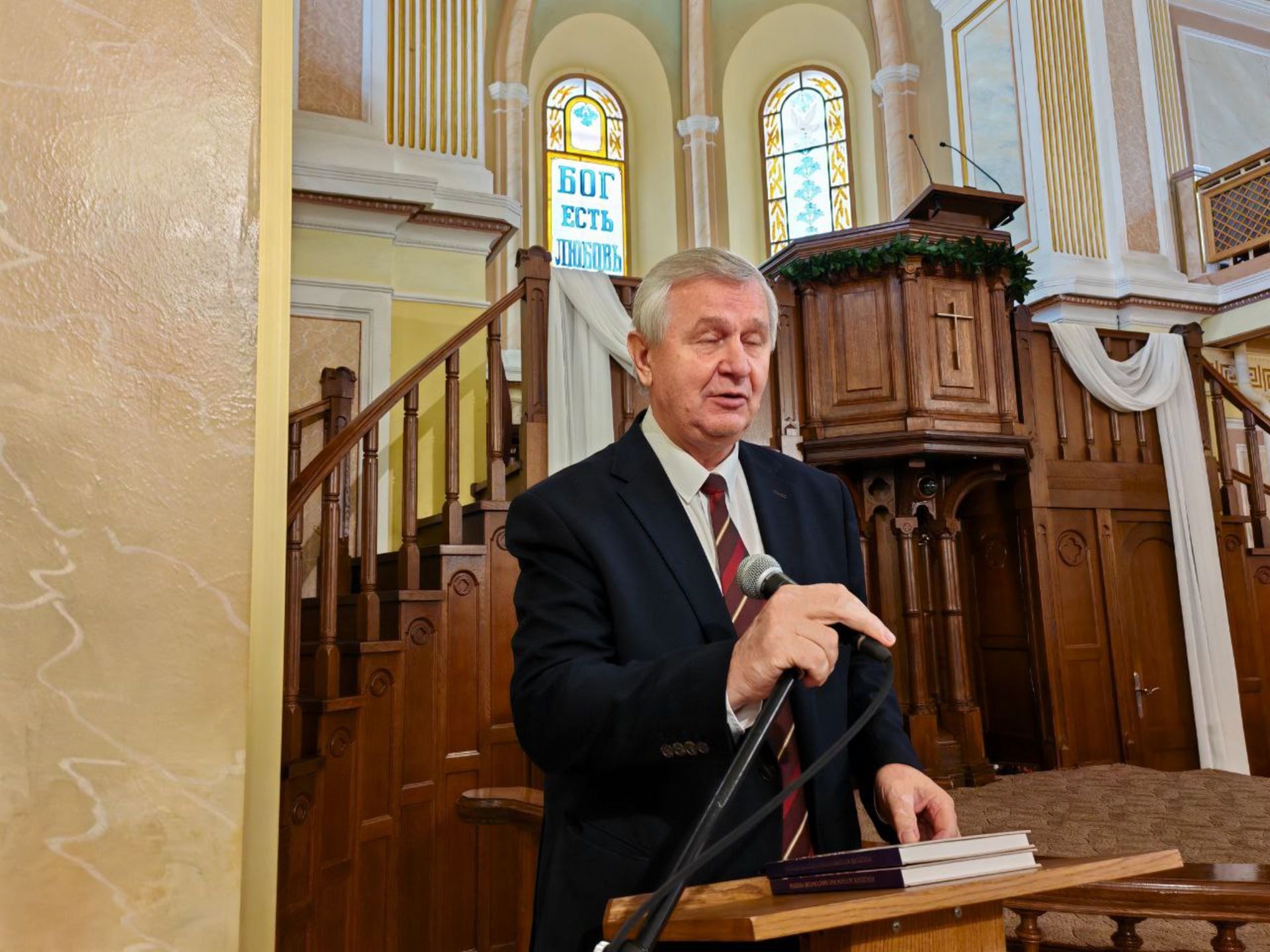
Irina Sinichkina added some surprising facts to the publication's presentation:
The All-Russian Art and Industrial Exhibition of 1882 in Moscow also became a source of evangelism. Count Bobrinsky assigned his daughters and other young women to distribute Pashkov's evangelistic pamphlets to visitors. A huge number of copies, over 52,000, were distributed. Within a few months, the evangelists began to be persecuted...
"A publication, ‘the gendarme reports’ were a great help in our research, providing valuable information, including the names of believers who were persecuted," Irina noted.
The first volume consists of 10 essays, offering a glimpse into Moscow at the end of the 19th century. "A city of churches, beggars, and monasteries. Khitrovka alone is worth a visit!... It tells the story of the Pashkovite movement. Tolstoy, Dostoevsky, and Leskov also described their evangelism in their works. The book also describes meetings in the home of Elena Shuvalova, the sister-in-law of Elizaveta Chertkova, one of the most prominent representatives of the Evangelical Christian movement in Russia. Other stories describe the contribution evangelists made to Russian history."
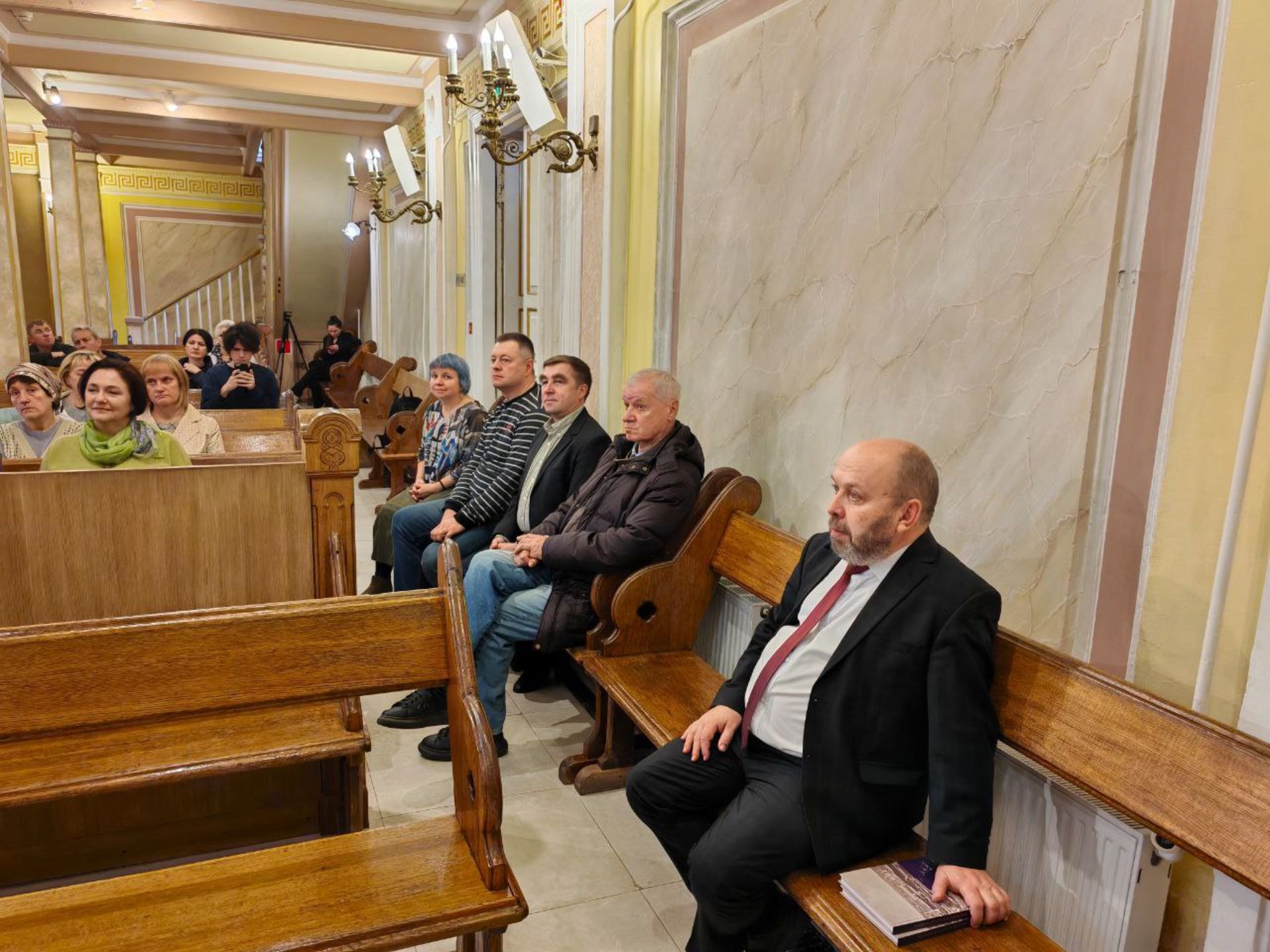
The Sinichkin’s book was published in a modest print run of 1,000 copies and is available only at the Moscow Central Church. The publication of subsequent volumes depends, among other things, on you, dear brothers and sisters! Any contribution is welcome: we need help sorting through archival documents, voluntary donations, and testimonies about the ministry of evangelists in the 19th and 20th centuries.
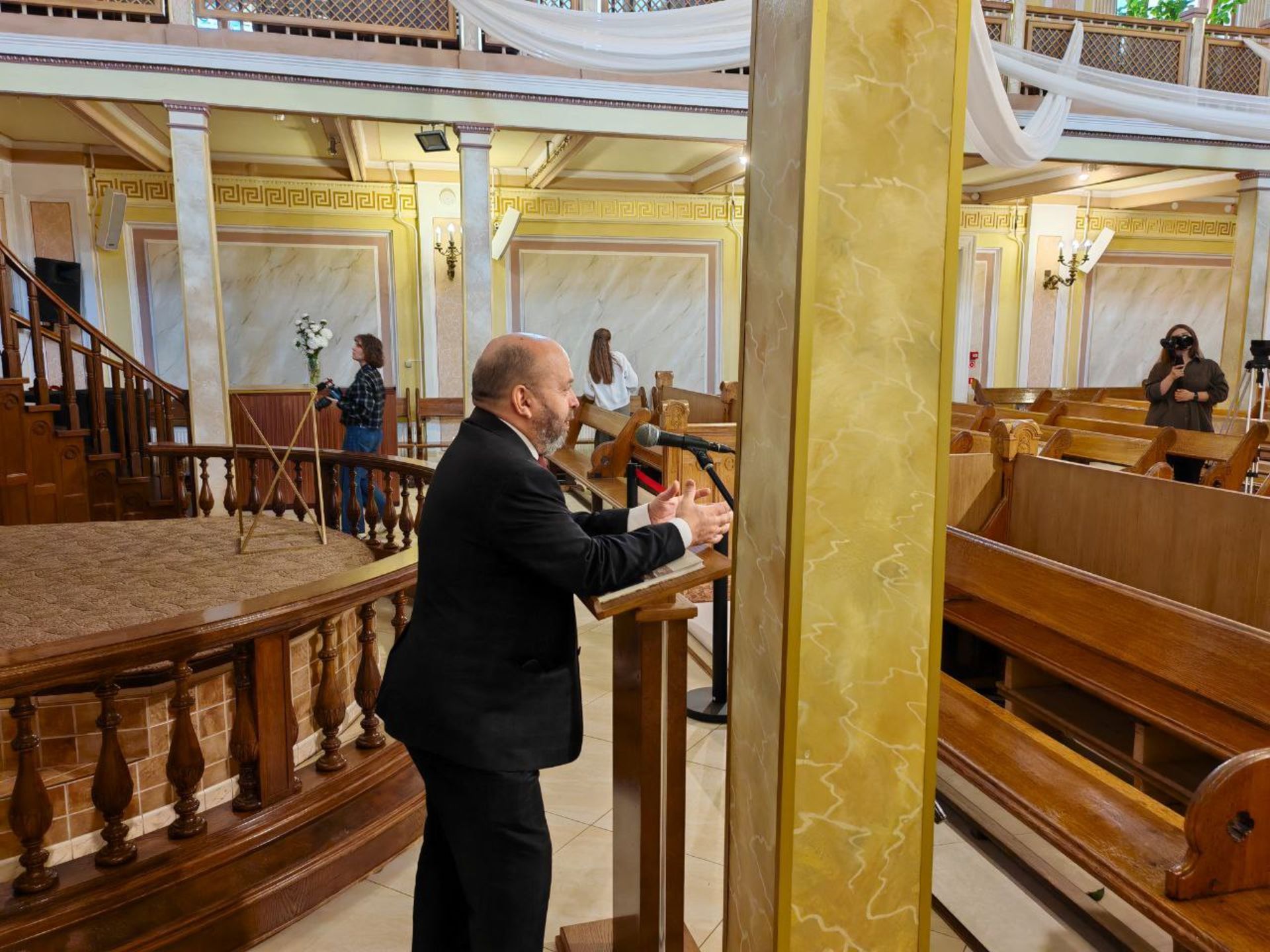
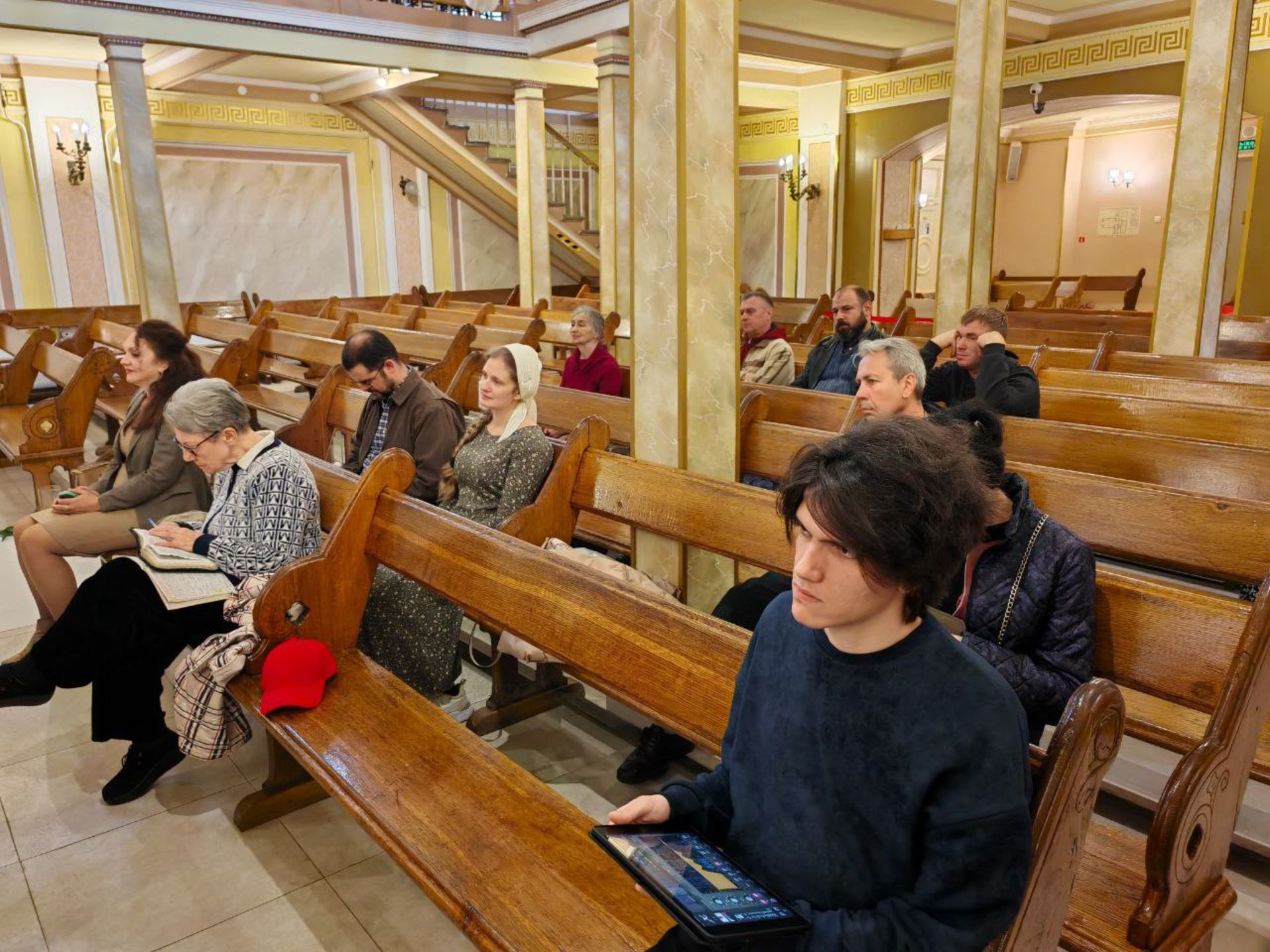
One such gem was the testimony of Ivan Marsan, a newly converted brother of the Moscow Central Church. He spoke of his great-grandfather, who was repressed in the 1930s and sentenced to 10 years in a labor camp. While en route to his place of exile, he fervently preached on the train, at stations, and to his guards. The family preserved a certificate that, thanks to him, "whole train cars repented and accepted faith in the Lord Jesus Christ." And while en route, the believer's sentence was commuted to death by firing squad. Ivan also spoke of his grandmother, Pelageya Belyaeva, who sang in the church choir of the Moscow Central Church and possessed such a remarkable voice that she even performed on stage that year accompanied by Van Cliburn, when he won the first Tchaikovsky Competition in the piano category in 1958.
In summary, we are confident that this publication will serve as a great encouragement to evangelical believers in Moscow, as well as an excellent tool for educational work and a gift for both believers and non-believers.
Written by Alla Stambolidi